 English
 Español
 عربى
 Deutsch

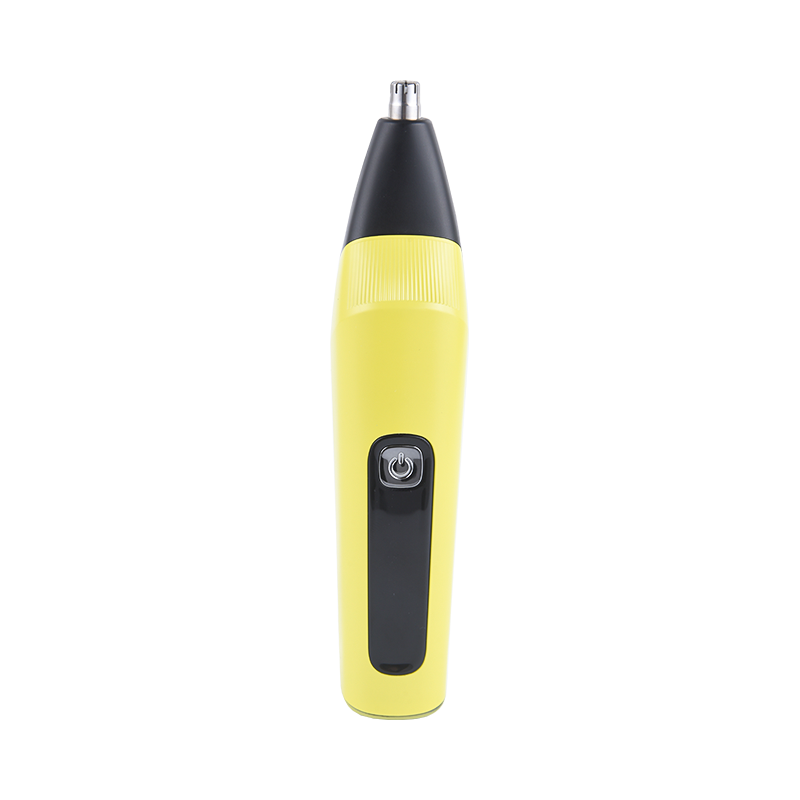
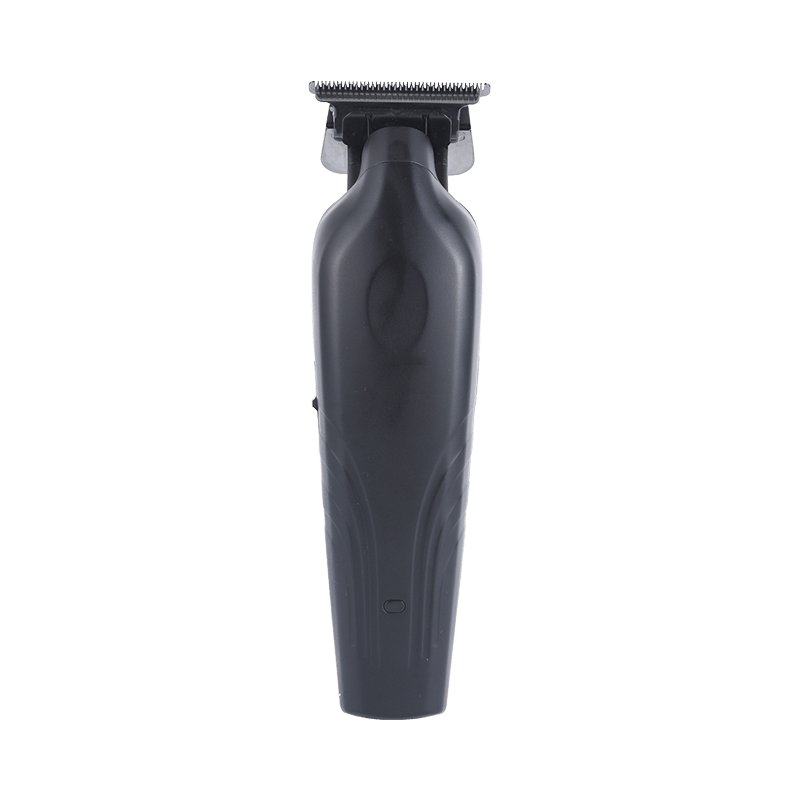
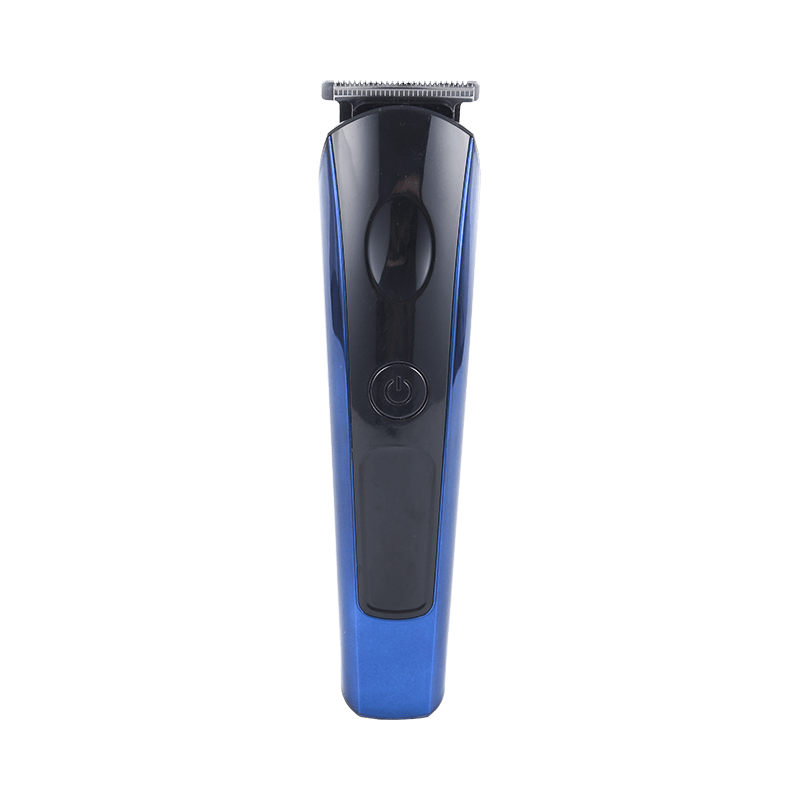
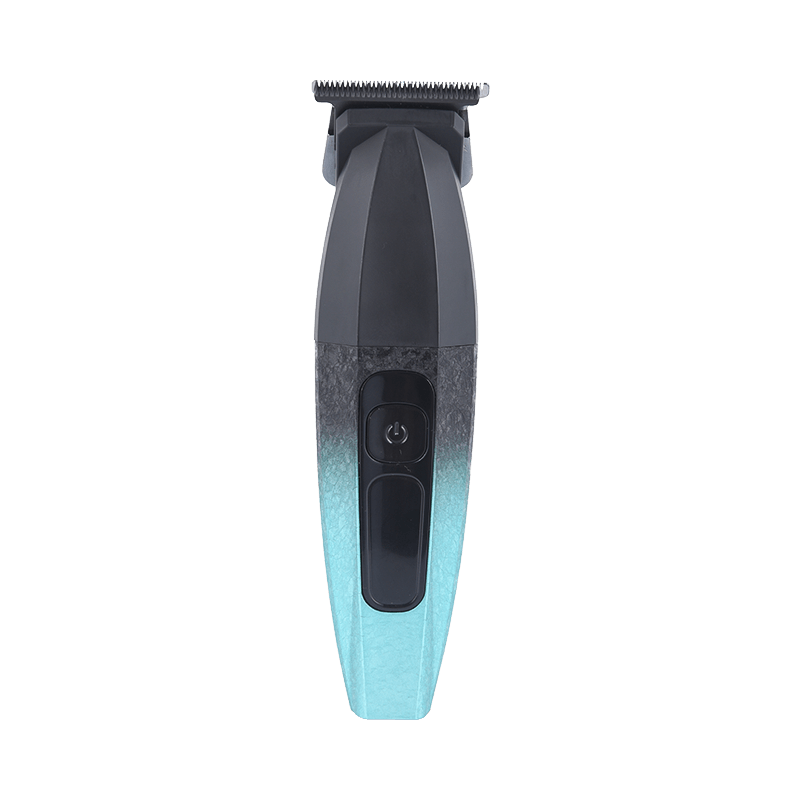
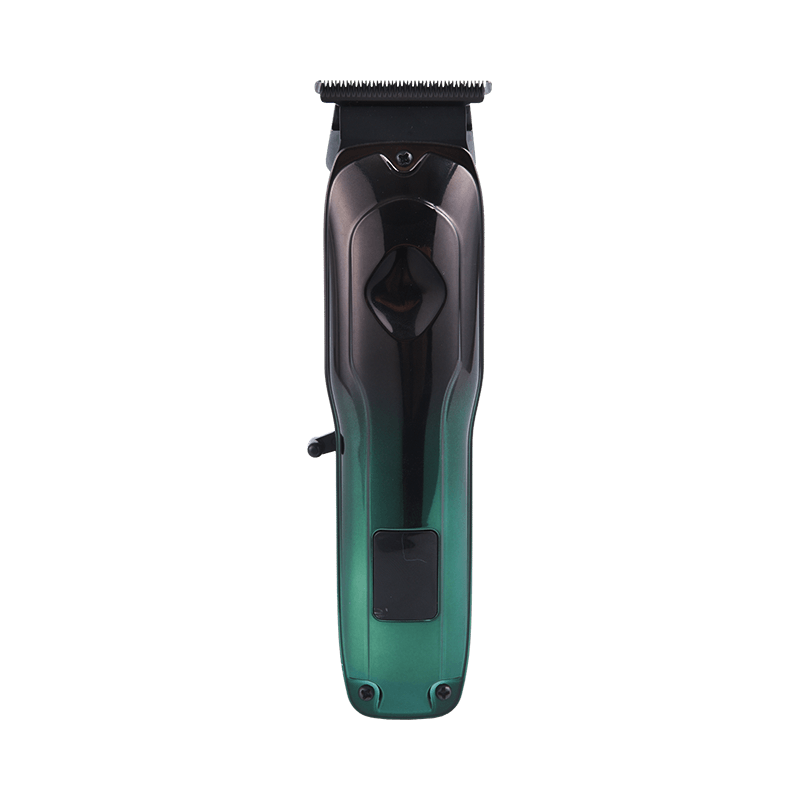
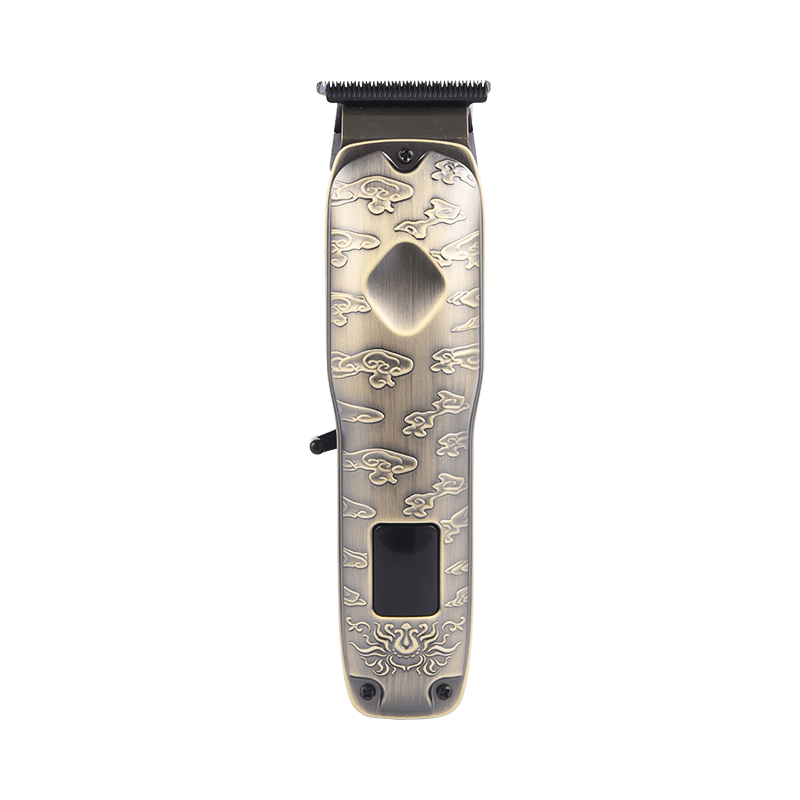
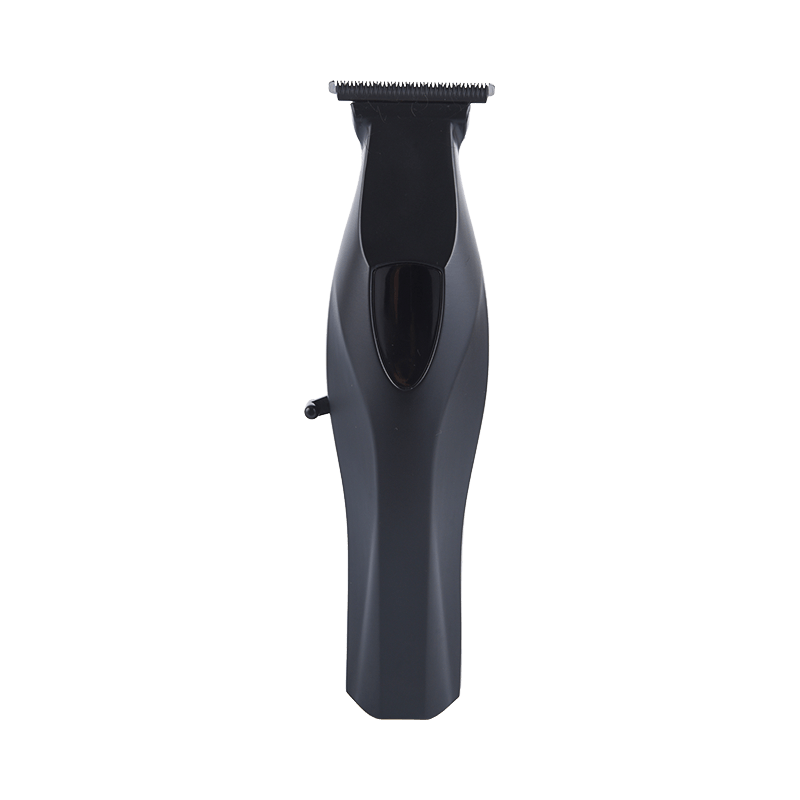
Ask a working barber what ruined a fade and the answer is rarely the technique. It is a blade that pulled, a motor that slowed down in thick hair, or a housing that got too hot to hold after twenty minutes of continuous cutting. That is why the question of the best barber clipper in 2025 and every ...
READ MORE
Carving Hair Clipper Manufacturer
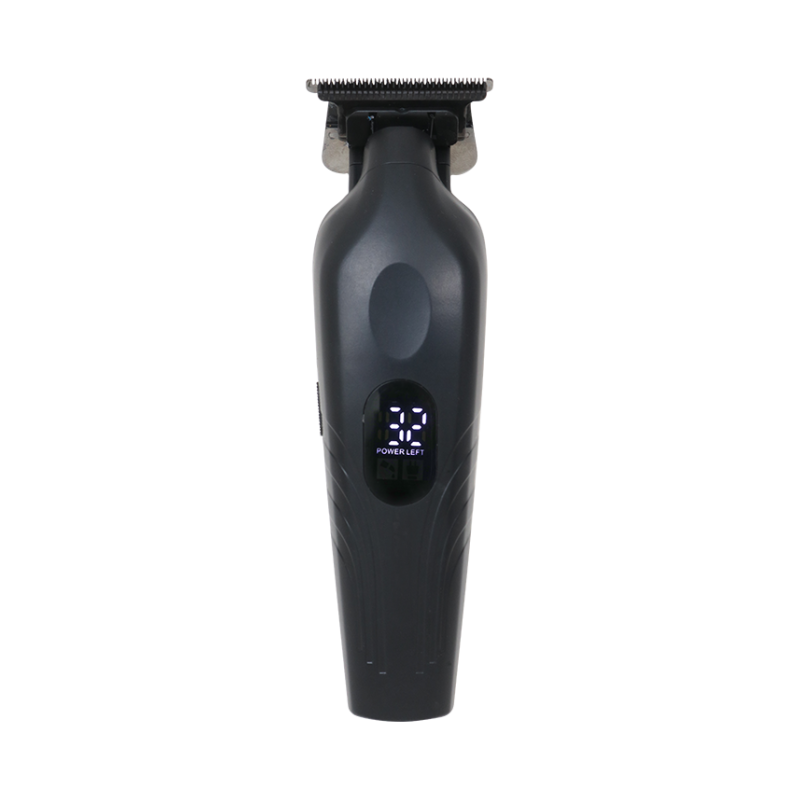
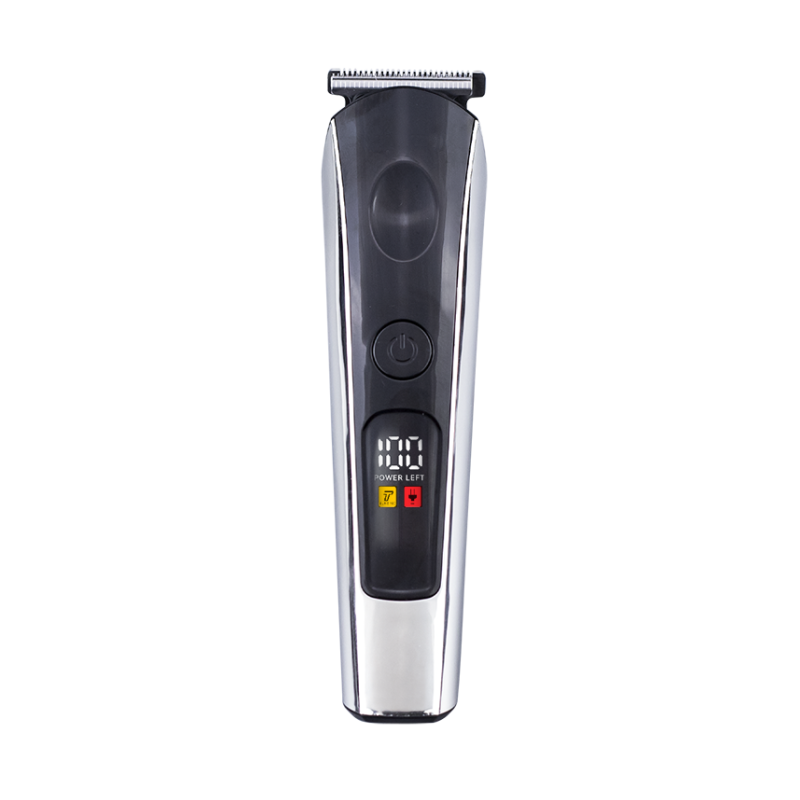
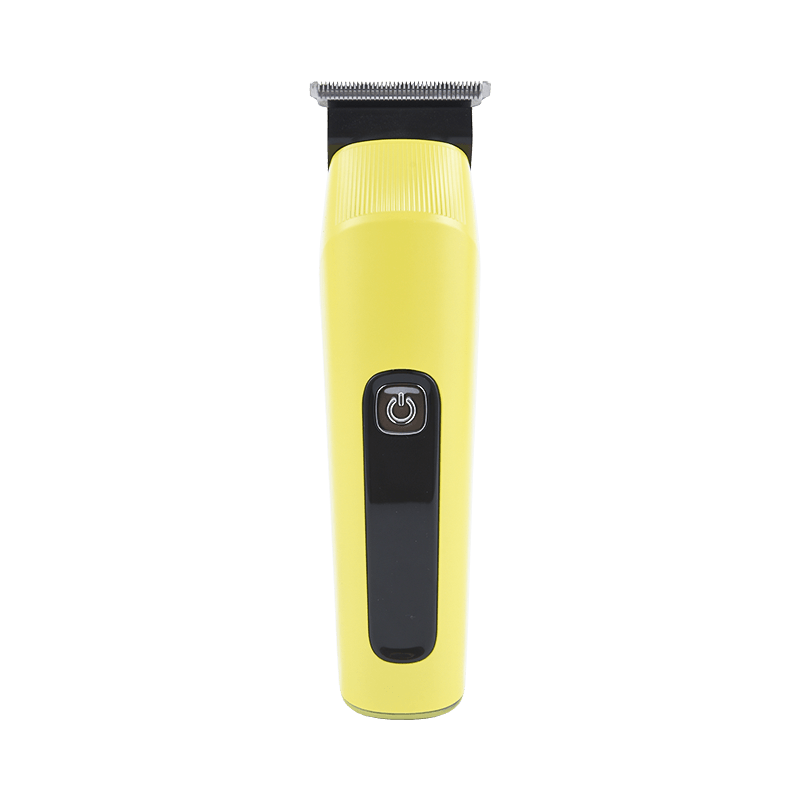
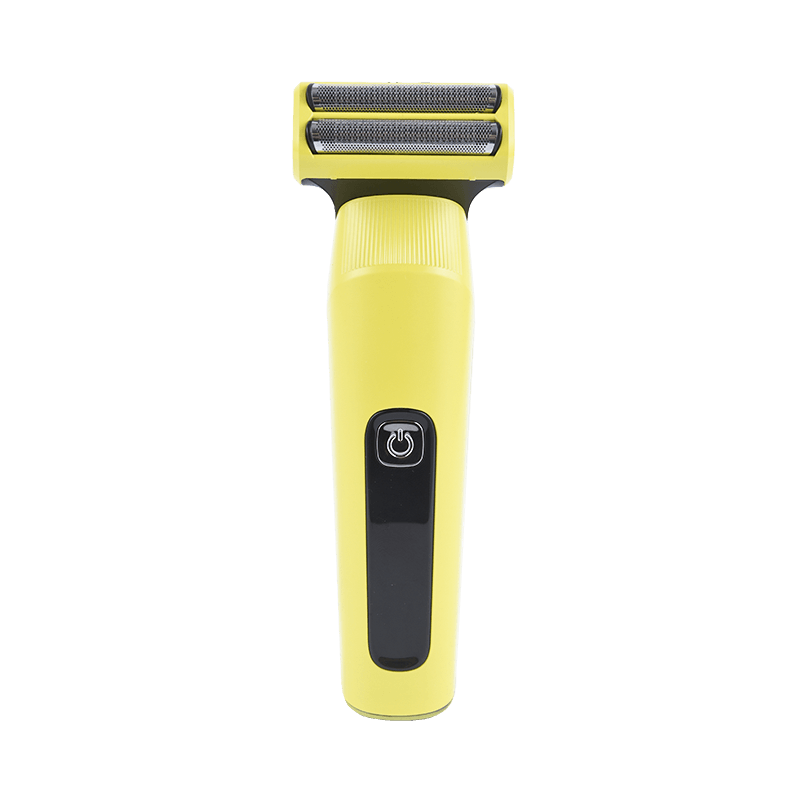
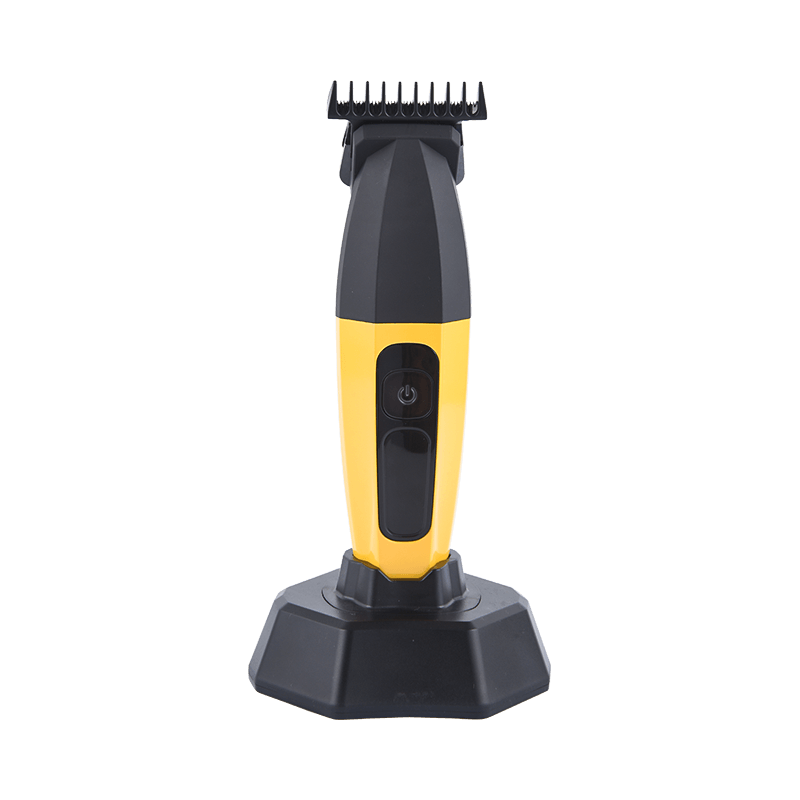
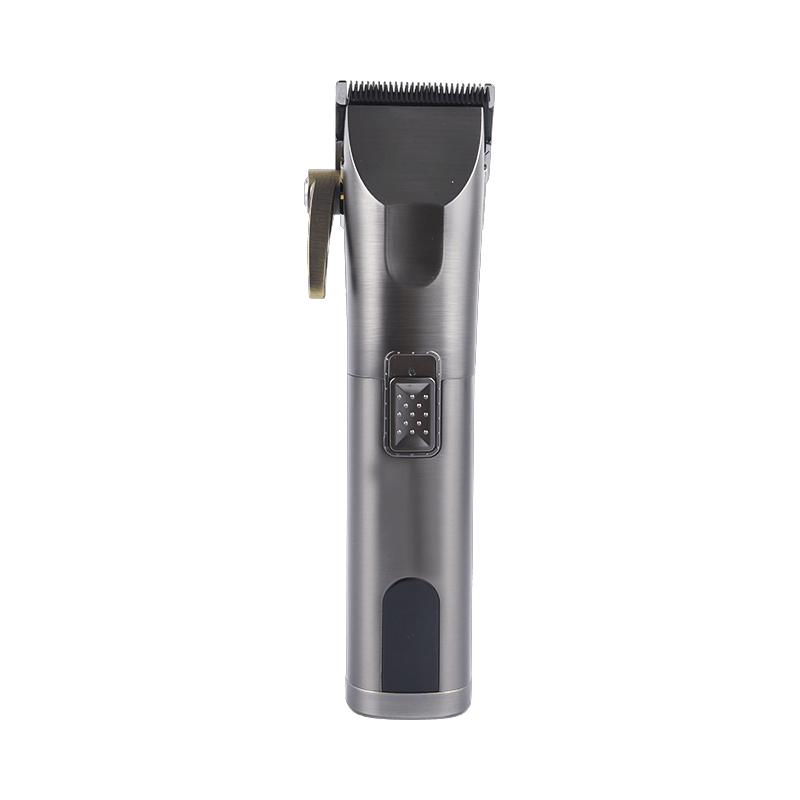
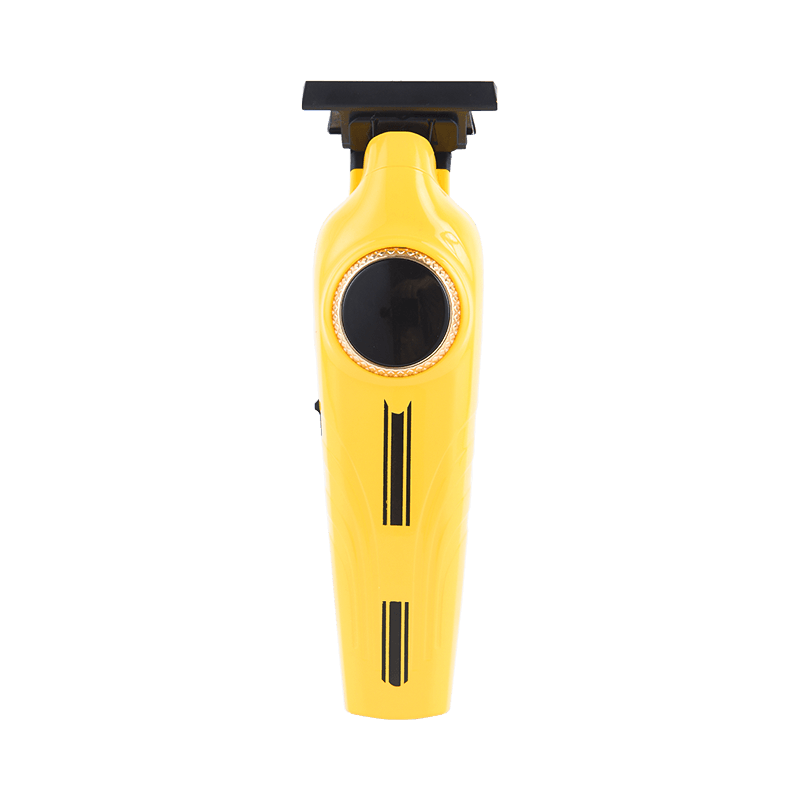
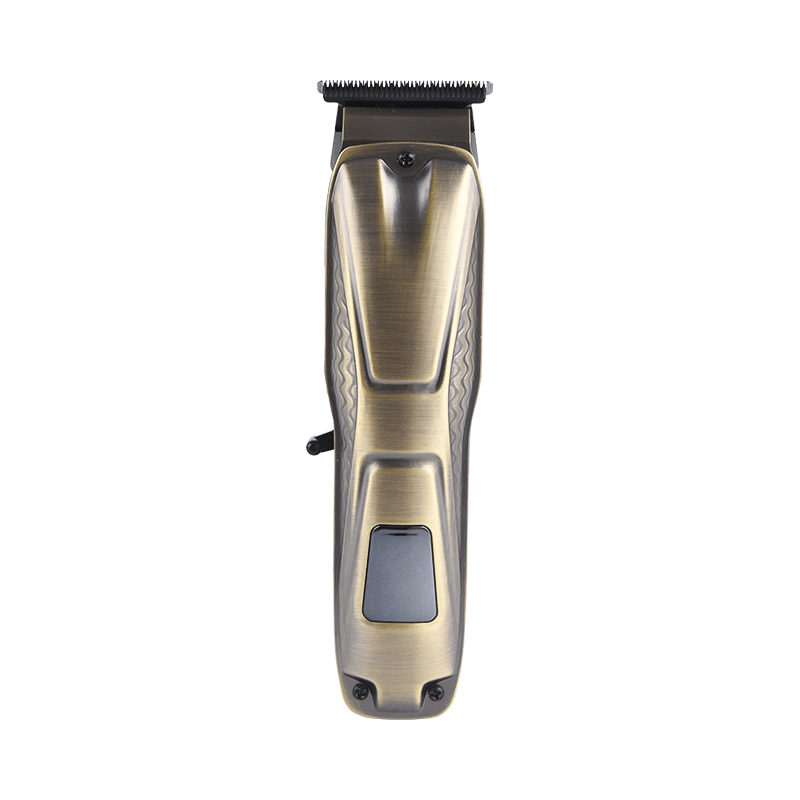
A sculpting clipper is an electric hair clipper specifically designed for hair sculpting and fine trimming.
Core Definition
A sculpting clipper is a hair clipper equipped with extremely fine and sharp blades, commonly featuring a "0-gap" or "zero-gap" blade design. Unlike ordinary electric clippers (used for quickly trimming hair length), the main function of a sculpting clipper is to create three-dimensional effects, lines, and textures in hairstyles, allowing for the sculpting of fine textures or patterns in the hair.
Main Functions and Features
Zero-gap design:
The gaps between the blades are very small, almost non-existent, and the blades make direct contact with the hair.
Function: It can shave the hair very close to the scalp (close shave), suitable for creating slicked-back hairstyles or dark shadow effects, and can even be used to shave the head completely bald.
Fine sculpting:
Suitable for creating complex hair textures, root lifting, highlighting, and carving.
Function: Creates three-dimensional "lines" or "carvings" in the hair, giving the hairstyle more layers and dynamism.
Gentle on the scalp:
Compared to manual razors, although the sculpting clipper shaves very close, due to its electric operation and well-designed blades, it usually doesn't scratch the scalp like a razor.
Usage Scenarios
Barbershops: Professional hairstylists often use it to complete the final touches on hairstyles, such as highlighting roots, thinning, and creating shadow transitions.
Home use: Suitable for people who want to create slicked-back hairstyles, shave their heads bald, or trim their hairstyles at home.
About Us
Ningbo Jiaweidi Electric Appliance Co., Ltd
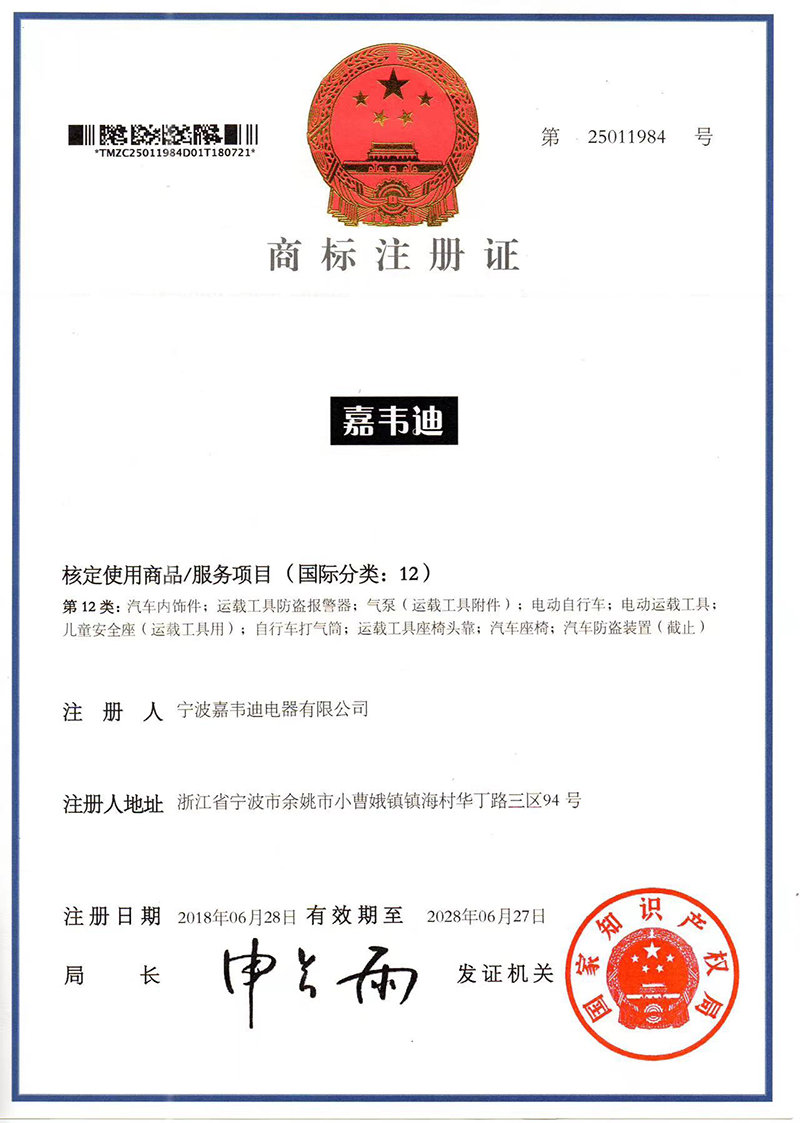
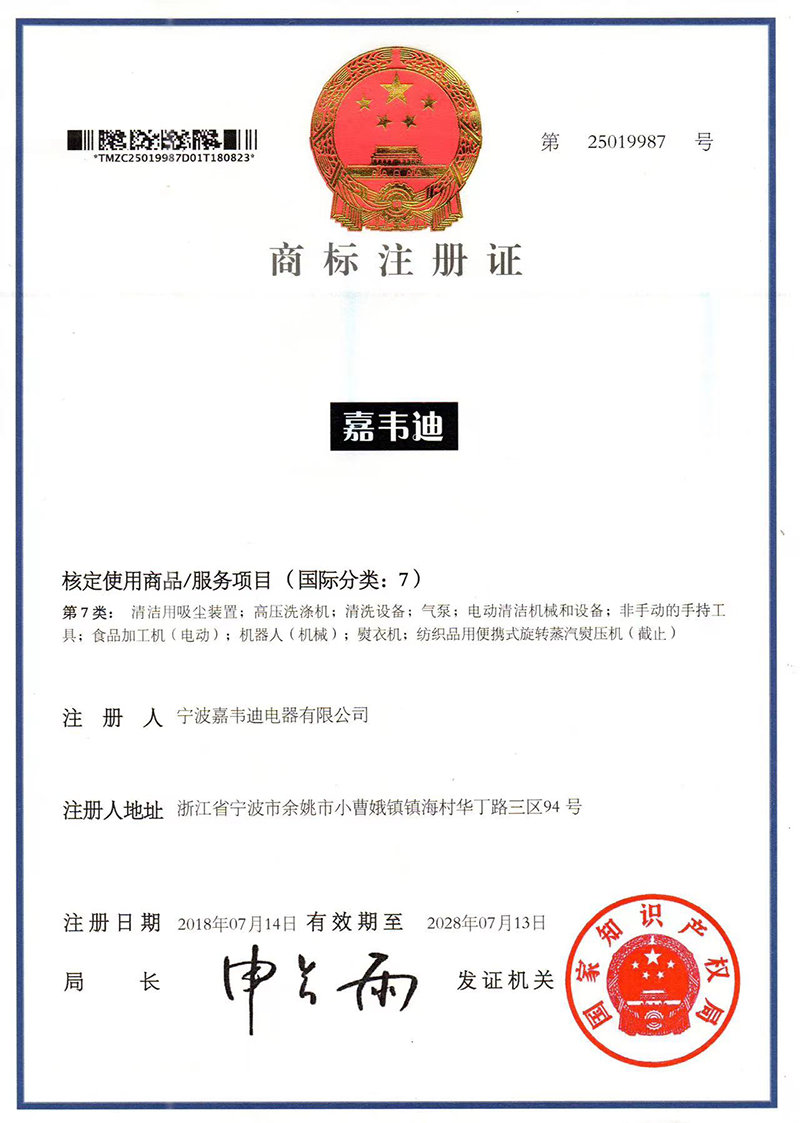
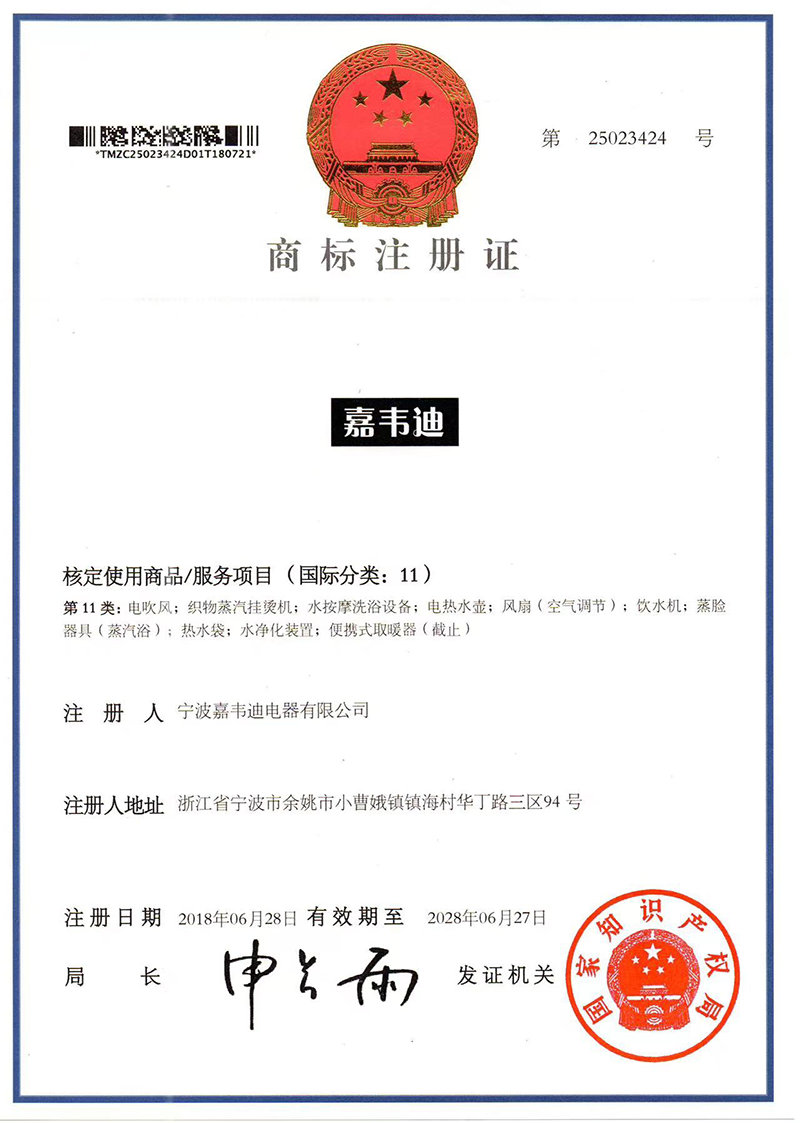
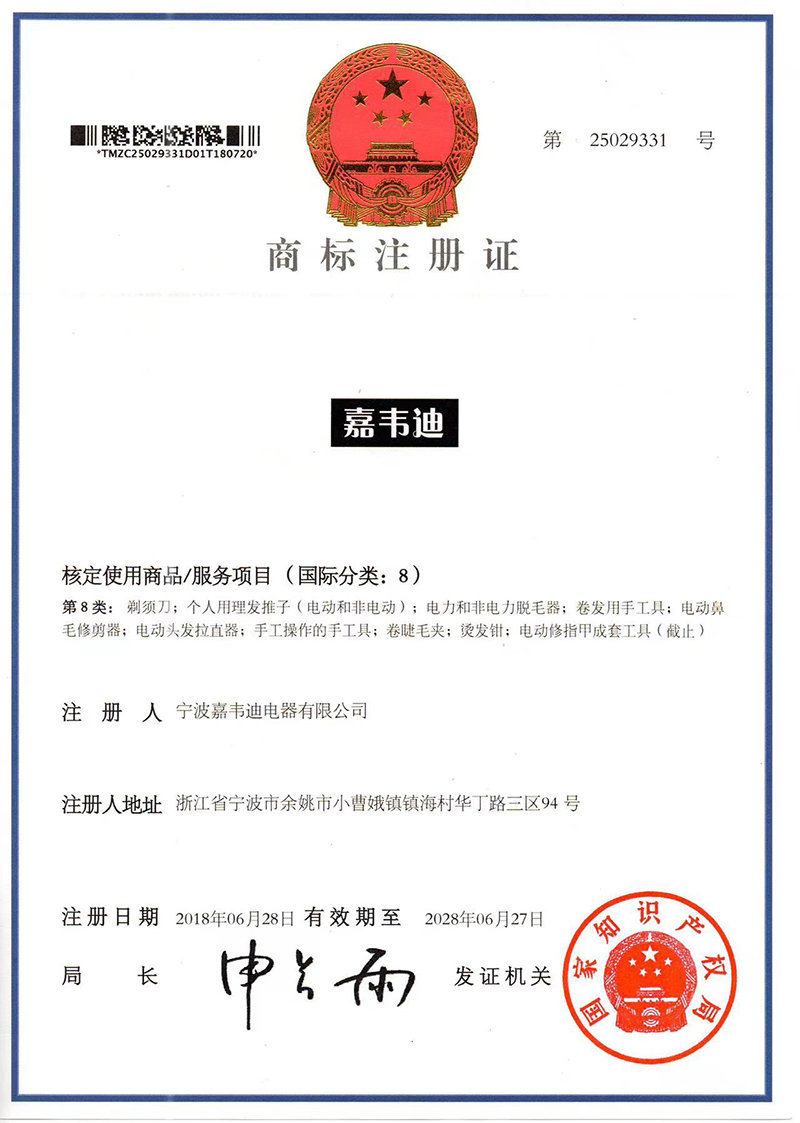
As China OEM hair carving clipper supplier and ODM Carving Hair Clipper factory, Ningbo Jiaweidi Electric Appliance Co., Ltd was established in 2017, mainly engaged in the research and development of personal care products, including a professional electric push shear carving push production enterprise with personal care as the main product. Guided by the principle of pursuing development through quality and survival through reputation, the company emphasizes quality at every stage of production, sales, procurement, and after-sales service. With substantial financial resources and sales capabilities, it serves a wide range of customers, including wholesalers and agents, while providing a platform for employees to realize their life values. Jiawei Di Electric is committed to delivering high-quality products, competitive prices, excellent service, and sincere commitments to consumers. Currently, the company operates an automated injection molding workshop, an automated packaging workshop, and a standardized assembly workshop. Over the past three years, the company has budgeted 50 million yuan for new factory construction, which will include one injection molding workshop, one production assembly workshop, one semi-finished product workshop, and one product warehouse. The new factory is expected to achieve an annual output value of 80 million yuan upon completion.
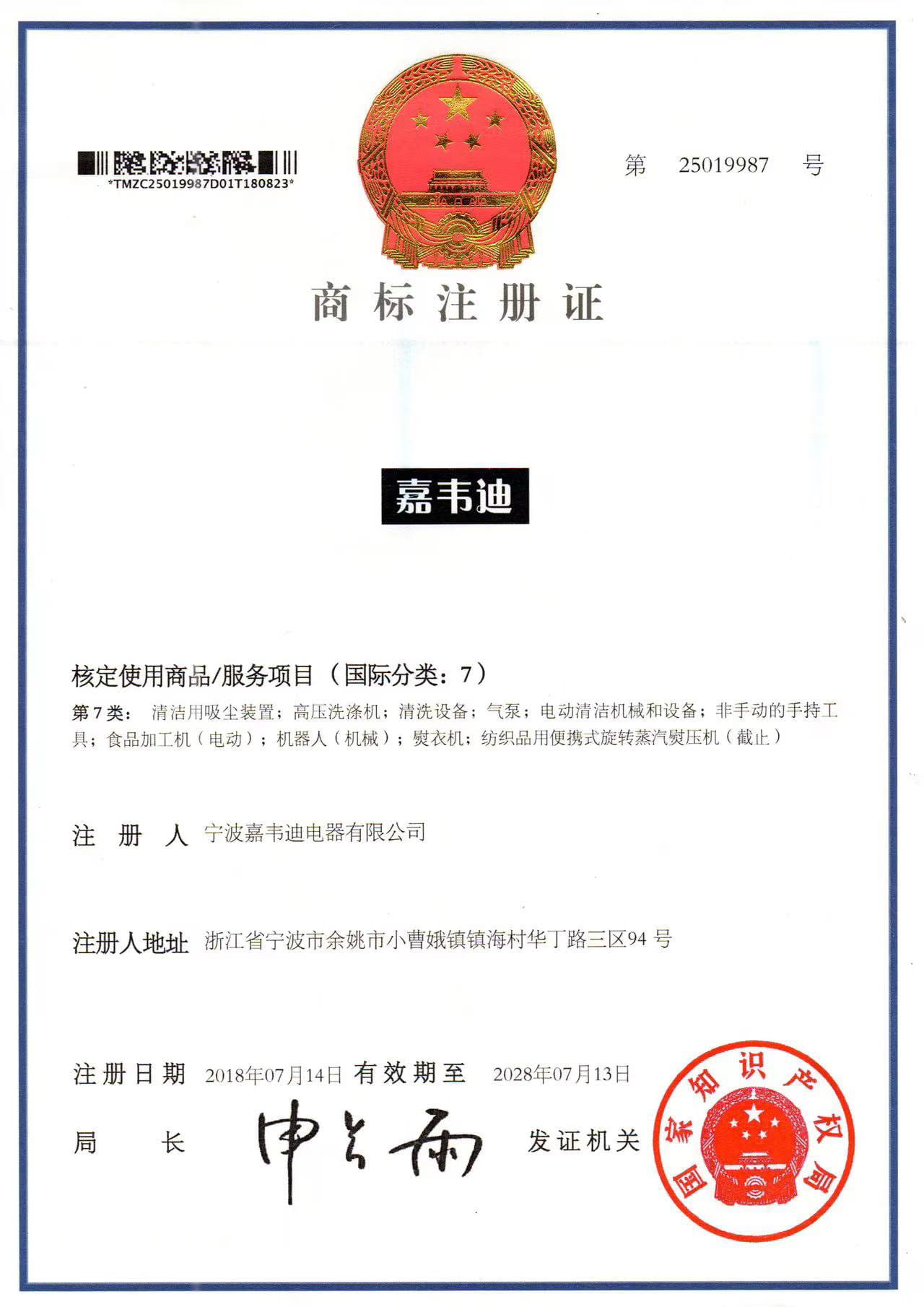
Certificate Of Honor
Message Feedback
News
-
-
A shop reorders clippers every six months. A household buys one and uses it eight times a decade. Both pay the same amount at checkout, and only one of them gets a fair deal. The conclusion first: the best affordable hair clipper is not the lowest-priced model on the page. It is the unit with the l...
READ MORE -
A barber feels it about four clients into the morning. The clipper that glided through the first two fades starts dragging, the blade head is warm against the wrist, and the taper needs a second pass before it looks right. Nothing on the label has changed. What changed is that the motor is now push...
READ MORE
Industry Knowledge
What a Carving Hair Clipper Is and Why Barbers Want One
The short answer for wholesalers, agents, and salon suppliers is this: a Carving Hair Clipper is a compact, fine-blade clipper built for detail work such as sharp outlines, crisp edges, and hair designs that a standard clipper cannot cut cleanly. Barbers use it to line up hairlines, add patterns, and finish fades, which is why the category keeps growing alongside demand for more detailed styling services.
This article is written for buyers rather than end users. It compares cutting tools by detail precision, explains what makes a carving clipper different inside, shows how production quality improves across batches, and outlines what to expect when working with a China carving hair clipper factory. The charts use illustrative index values to make comparisons easier to read, so they should be treated as a planning aid rather than test results for any single product.
How Carving Clippers Compare for Detail Work
Buyers often ask how a carving model differs from the clippers and trimmers already in a barber's kit. The horizontal bar chart below scores three tool types on a 0-100 detail precision index, which reflects line sharpness, control around curves, and how little hair is left unevenly cut at the edges.
The carving clipper leads because its blade is narrower and more finely ground, which lets the barber follow a line closely instead of approximating it. A standard clipper is designed to remove length quickly, so its wider blade makes tight curves and sharp corners harder to control. A trimmer improves on this and works well for edging, yet it is not always built for the repeated passes needed to define a pattern. For a salon, the carving tool becomes a finishing instrument that sits next to the main clipper rather than replacing it. For a supplier, that positioning creates a natural add-on sale for every barber who already owns a clipper.
What Makes a Carving Clipper Different Inside
A carving clipper looks like a small version of a standard clipper, but several details change how it performs. The blade is narrower and often set at an exposed angle so the cutting edge is visible while the barber works. The body is shorter and lighter, which allows pen-like control, and the motor is tuned for steady speed at low load rather than raw power. Because users hold it close to the skin, small differences in blade alignment and edge finish are felt immediately.
Key Components That Shape Performance
- Fine-tooth blade set: determines how sharp lines look and how closely the tool can follow a curve.
- Motor and speed control: keep blade movement steady during slow, detailed passes.
- Battery and charging system: decide cordless run time and how quickly the tool is ready between clients.
- Housing and grip: affect balance and comfort when the tool is held like a pen for long periods.
- Blade guard and adjustment: protect the blade during storage and allow fine changes to cutting depth.
When a manufacturer designs these parts together, rather than assembling them from unrelated sources, the finished clipper tends to behave more predictably across its working life.
How Production Quality Improves Across Batches
For a precision tool, consistency from one batch to the next matters as much as the first sample. The line chart below illustrates how the defect rate typically falls across successive production batches in a factory that records its test results and feeds them back into the process.
In this example the rate falls from about 4% in the first batch to about 1.5% by the sixth batch, with the largest gains coming early. The early drop usually reflects fixture adjustments, blade alignment checks, and clearer inspection standards once real production data is available. The curve then flattens, which is normal, since the remaining issues tend to be harder to remove. For a buyer, the pattern shows why records matter: a factory that keeps batch data can explain what changed and why. When comparing a hair carving clipper factory China buyers are considering, it is worth asking for sample inspection reports and how corrective actions are tracked from one batch to the next.
What Buyers Customize Most Often
Brands usually begin with an existing platform and adapt it to their identity. A China custom hair carving clipper factory can handle this through OEM or ODM projects. The column chart below shows how often different customization options are requested, on an illustrative percentage scale.
Branding leads at 91%, since private-label programs need the logo, color scheme, and manual to match an existing product family. Blade type comes next, which makes sense for a carving tool, because blade width and tooth pattern define what the clipper can do. Color and finish are common requests because they are low-risk and quick to approve. Battery and charging options matter for brands that want a distinct cordless offer, and packaging affects shelf appeal and online presentation. A China custom professional carving clipper factory that manages all five areas in-house usually moves from sample to mass production with fewer handoffs and fewer chances for misunderstanding.
Strengths and Trade-offs Across Six Dimensions
No carving clipper is strongest in every area, and it helps to see where the trade-offs sit before finalizing a specification. The radar chart below maps six dimensions for a well-engineered model on a 0-100 scale.
Detail precision scores highest, which is the whole purpose of a carving clipper and the quality professionals judge it on first. Safety and ease of use follow, reflecting a light body, a protected blade, and simple controls that make the tool approachable for less experienced users. Durability sits slightly lower, because a fine blade is more delicate than a wide one and needs careful cleaning and storage. Run time scores lowest, since a small body limits battery size and buyers often choose between a very light handle and longer cordless use. Brands that serve busy shops can ask for a larger battery or a hybrid corded option, while those serving mobile stylists may favor the lightest body. Reading the profile as a whole helps teams focus development effort where their customers care most.
Choosing Between Carving Clipper Configurations
Most carving clipper lines are built around a few core configurations, and each one serves a different customer. The table below summarizes the points buyers usually clarify early in a project.
Configuration Overview
| Configuration | Key Technical Focus | Typical Buyer Question |
|---|---|---|
| Standard carving clipper | Fine blade, light body, steady motor | What blade width options are available? |
| Cordless carving clipper | Battery capacity, charging dock, balance | How many charge cycles is the battery rated for? |
| Hybrid corded and cordless | Dual power mode, steady output | Does performance change between the two modes? |
| Compact travel model | Small size, protective case, quick charging | What is included in the accessory kit? |
Settling these questions at the start shortens development time, since the manufacturer can match tooling, materials, and testing plans to the right configuration from the first sample round.
Working With a China Carving Clipper Factory
For international buyers, a hair carving clipper factory China partners can offer is attractive mainly because of the supply chain around it: motors, blades, batteries, injection molding, and packaging are often located within a short distance of each other. A China carving hair clipper factory that integrates molding, assembly, and packaging in-house can usually move from concept to sample faster than a trading intermediary that outsources each step.
A Typical OEM/ODM Project Flow
- Requirement review: target market, blade type, battery size, accessories, and branding are agreed.
- Design and sampling: the factory adapts an existing platform or develops a new body and produces samples.
- Testing and certification: electrical safety, battery, and blade performance tests are carried out, and documents are prepared for the destination market.
- Pre-production approval: the buyer signs off on a final sample before mass production begins.
- Production and shipment: units are assembled, inspected, and packed for export.
A China custom hair carving clipper factory that documents each stage clearly makes it easier for buyers to track progress and plan launches. Clear written specifications at the start are the most reliable way to avoid rework between the sample and production stages.
What to Ask Before Committing to a Project
Spec sheets across suppliers can look alike, so the questions below help separate factories with real production depth from trading intermediaries.
- Which certifications are held for the target market, and can the documents be reviewed for the specific model?
- Is injection molding, assembly, and packaging handled in-house, and how are quality checks carried out at each stage?
- How are blade alignment, motor performance, and battery life recorded between production batches?
- What customization is available for blades, branding, colors, accessories, and packaging?
- What after-sales support and spare parts, such as replacement blades, are available for distributors?
A China custom professional carving clipper factory that answers these questions with documents rather than general statements is usually easier to work with over the long term, since expectations are set clearly at the start of the relationship.
About Ningbo Jiaweidi Electric Appliance Co., Ltd
Ningbo Jiaweidi Electric Appliance Co., Ltd was established in 2017 and focuses on the research and development of personal care products, operating as a professional electric push shear and carving push production enterprise with personal care as its main product line. Guided by the principle of pursuing development through quality and survival through reputation, the company emphasizes quality at every stage of production, sales, procurement, and after-sales service. It serves a wide range of customers, including wholesalers and agents, while providing a platform for employees to realize their life values.
Jiawei Di Electric is committed to delivering high-quality products, excellent service, and sincere commitments to consumers. The company currently operates an automated injection molding workshop, an automated packaging workshop, and a standardized assembly workshop. Over the past three years, it has budgeted 50 million yuan for a new factory that will include an injection molding workshop, a production assembly workshop, a semi-finished product workshop, and a product warehouse, with an expected annual output value of 80 million yuan upon completion.
Frequently Asked Questions
Q1: What is a carving hair clipper used for?
A1: It is used for detail work such as sharp outlines, hairline shaping, edging, and hair designs that a standard clipper cannot cut cleanly.
Q2: Can a carving clipper replace a regular clipper?
A2: Usually not. It works best as a finishing tool alongside a regular clipper, which remains better suited to removing length quickly.
Q3: Can a China custom hair carving clipper factory support a private label?
A3: In many cases, yes. Factories with in-house production can adjust branding, blades, colors, accessories, and packaging, and some can modify the housing or battery configuration.
Q4: How should blades be maintained?
A4: Cleaning hair from the blade after each use, applying blade oil as recommended, and storing the clipper with its blade guard in place helps keep cutting performance steady over time.
Q5: What should a buyer review before approving mass production?
A5: Reviewing an approved pre-production sample, certification documents, and test records for the specific model helps confirm that the production batch will match what was agreed.
- ADD: Room 301, Building 5, Xiaocao'e (Hangzhou Bay) Electromechanical Industrial Park, Yuyao City
- Tel:+86 13805803689 / +86 13805803356
- Email: 269354157@qq.com
Copyright Ningbo Jiaweidi Electric Appliance Co., Ltd. All Rights Reserved.
OEM/ODM professional carving clipper supplier
Exporter hair carving clipper factory
