 English
 Español
 عربى
 Deutsch

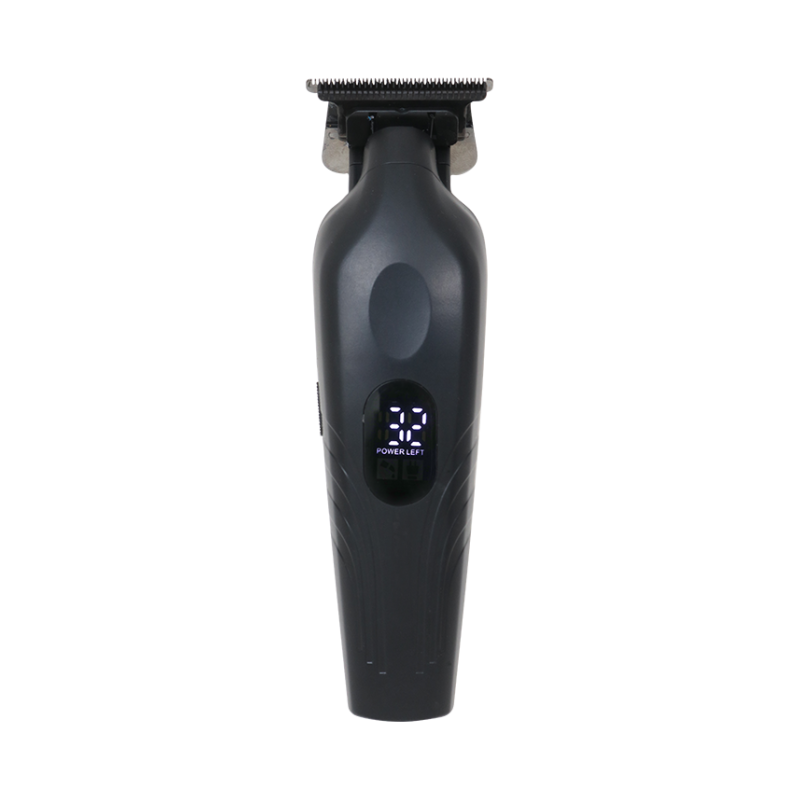
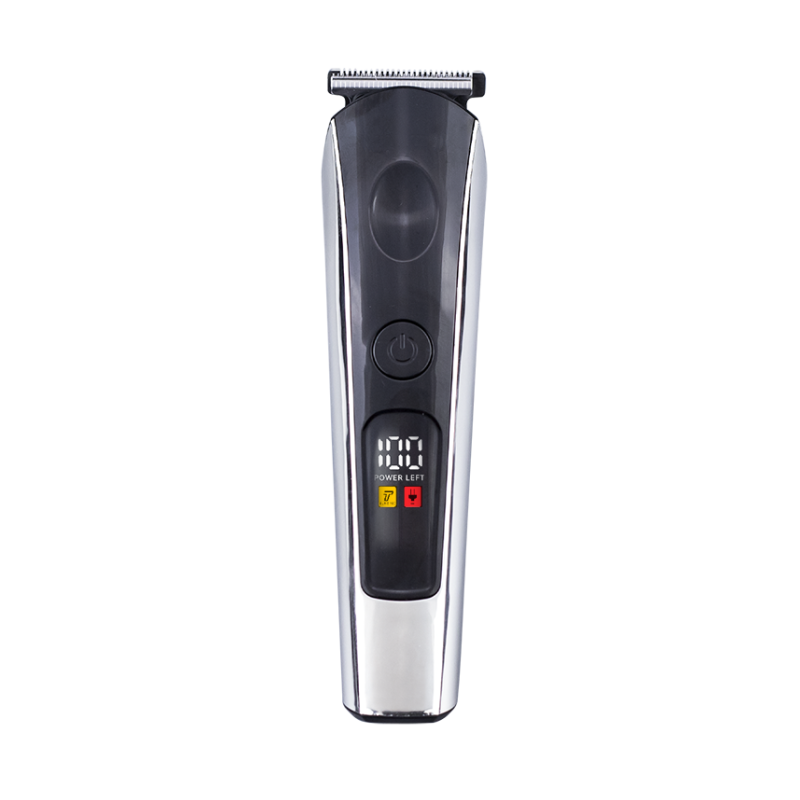
Ask a working barber what ruined a fade and the answer is rarely the technique. It is a blade that pulled, a motor that slowed down in thick hair, or a housing that got too hot to hold after twenty minutes of continuous cutting. That is why the question of the best barber clipper in 2025 and every ...
READ MORE
Barbershop Specific Carving Clipper Manufacturer
Barbershop Specific Carving Clippers typically refer to clippers specifically designed for use in barbershops for hair carving.
Unlike ordinary clippers used for basic grooming (such as trimming beards or basic haircuts), these clippers are specifically designed for hair carving—that is, for the precise shaping and detailing of hairstyles. Here are its core features and uses:
Core Definition:
This is a professional hair cutting tool designed for barbershop stylists, primarily used for fine hair carving in hairstyle design. Its blades are sharp and have a very high rotation speed, typically used for very short hair (such as a buzz cut) or for precise shaping of hairstyle lines.
Main Functions:
Close Cutting: Able to cut hair very close to the scalp, typically used to achieve "Zero" or "Skin Fade" hairstyles.
Carving & Texturizing: Not only for shortening hair, but also for "carving" the edges of the hairstyle. For example, in a fade haircut, the stylist will use carving clippers to refine the hairline, making the transition more natural and smooth, or to create unique patterns in the hairstyle.
Precise Adjustment: Usually equipped with high-precision blades and adjustment levers, allowing for precise control of cutting length to meet the demanding requirements of professional hairstylists.
Applicable Scenarios:
High-end barbershops: Typically found in professional barbershops or high-end hair salons.
High-difficulty hairstyle design: Such as high-quality fades, clean buzz cuts, and various intricate styling details.
About Us
Ningbo Jiaweidi Electric Appliance Co., Ltd
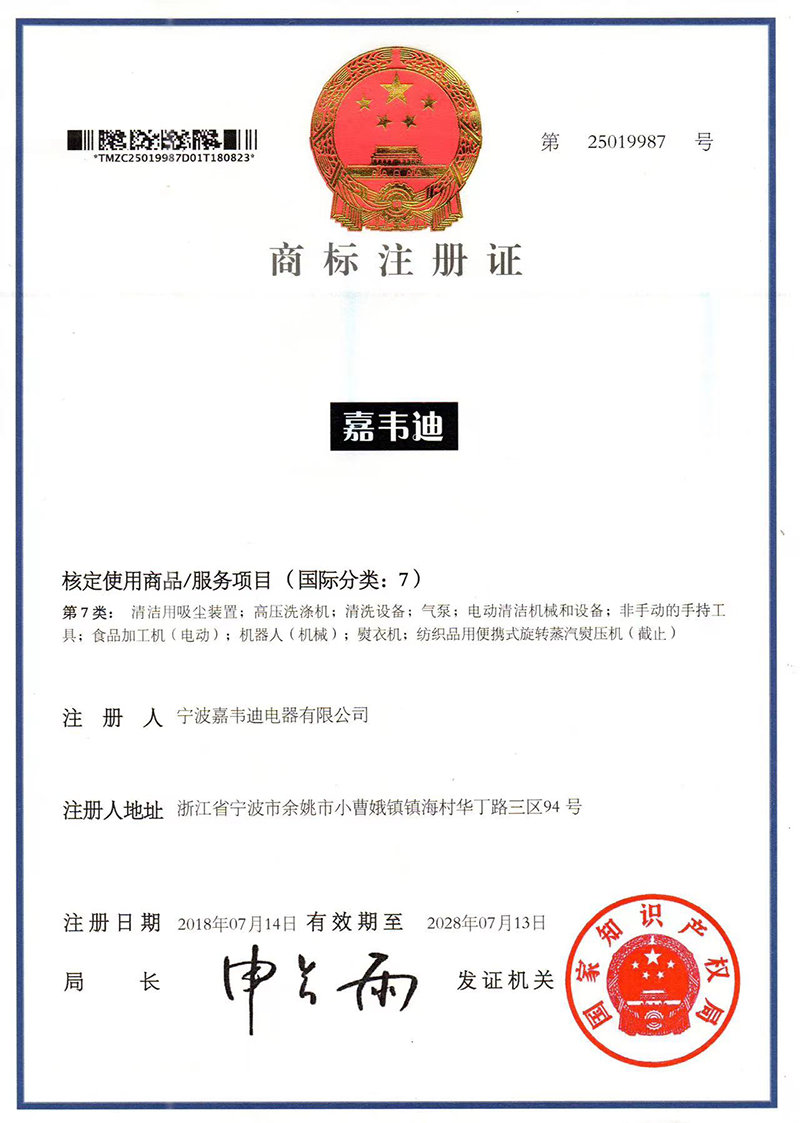
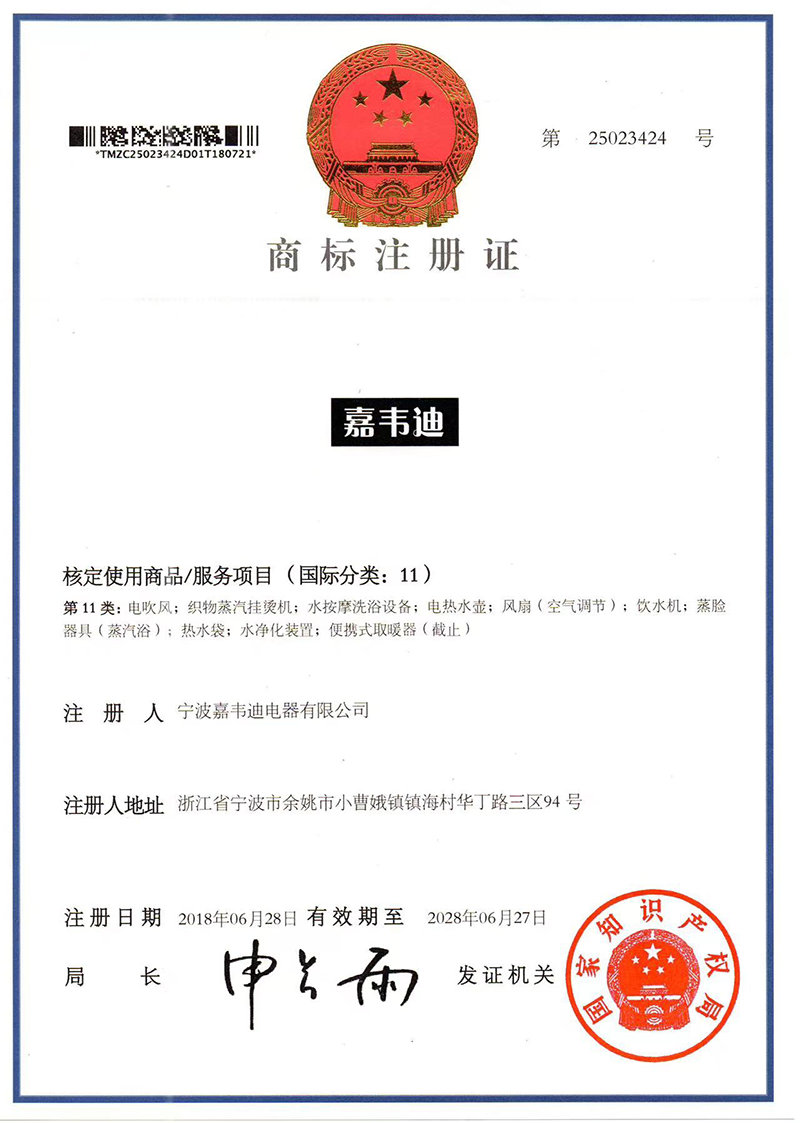
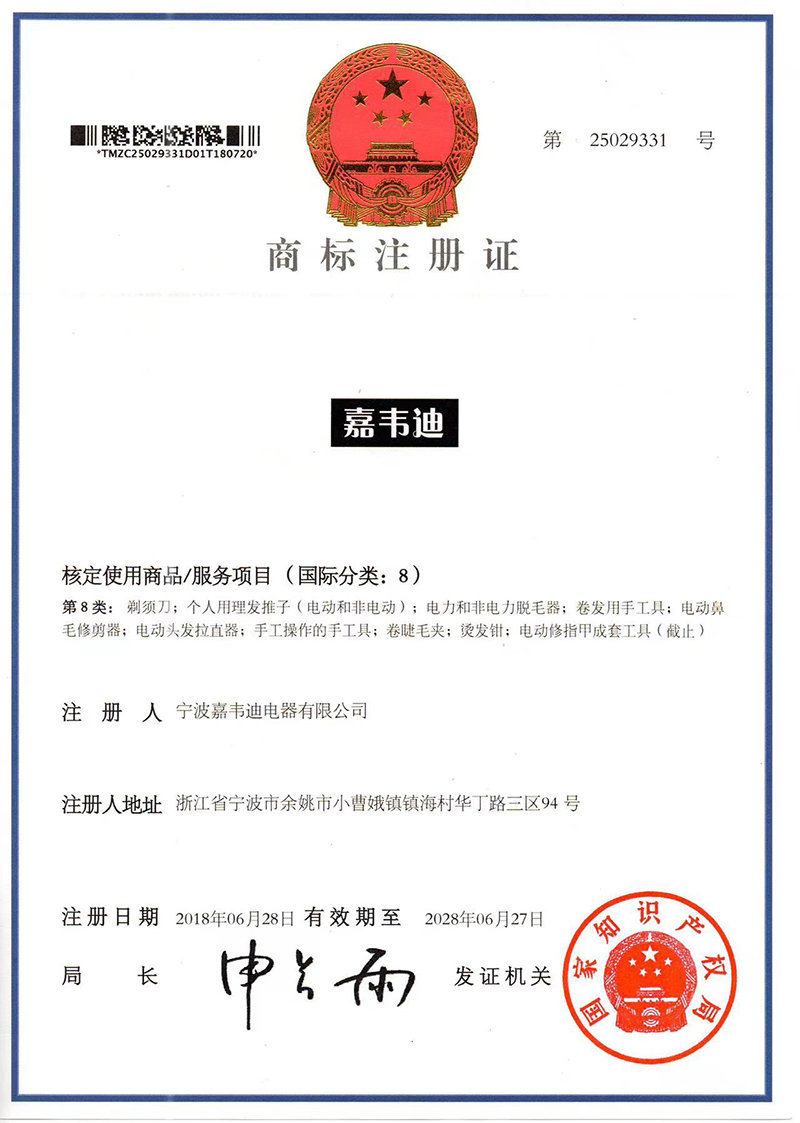
As China OEM barber carving clipper manufacturer and ODM Barbershop Specific Carving Clipper factory, Ningbo Jiaweidi Electric Appliance Co., Ltd was established in 2017, mainly engaged in the research and development of personal care products, including a professional electric push shear carving push production enterprise with personal care as the main product. Guided by the principle of pursuing development through quality and survival through reputation, the company emphasizes quality at every stage of production, sales, procurement, and after-sales service. With substantial financial resources and sales capabilities, it serves a wide range of customers, including wholesalers and agents, while providing a platform for employees to realize their life values. Jiawei Di Electric is committed to delivering high-quality products, competitive prices, excellent service, and sincere commitments to consumers. Currently, the company operates an automated injection molding workshop, an automated packaging workshop, and a standardized assembly workshop. Over the past three years, the company has budgeted 50 million yuan for new factory construction, which will include one injection molding workshop, one production assembly workshop, one semi-finished product workshop, and one product warehouse. The new factory is expected to achieve an annual output value of 80 million yuan upon completion.
Certificate Of Honor
Message Feedback
News
-
-
A shop reorders clippers every six months. A household buys one and uses it eight times a decade. Both pay the same amount at checkout, and only one of them gets a fair deal. The conclusion first: the best affordable hair clipper is not the lowest-priced model on the page. It is the unit with the l...
READ MORE -
A barber feels it about four clients into the morning. The clipper that glided through the first two fades starts dragging, the blade head is warm against the wrist, and the taper needs a second pass before it looks right. Nothing on the label has changed. What changed is that the motor is now push...
READ MORE
Industry Knowledge
What B2B Buyers Should Know Before Sourcing a Barbershop Specific Carving Clipper
A good Barbershop Specific Carving Clipper for wholesale or private-label programs comes down to four things: fine and sharp blades for detailed outlines, a steady and quiet motor, comfortable handling over long shifts, and a supplier who can document quality and customize the product to your brand. Carving and outlining work, such as hairlines, patterns, and sharp edges, asks more of a clipper than a general haircut does. The blade has to sit close, the tip has to stay controllable, and the body has to feel balanced after hours of use, so barbers notice small differences in build quality very quickly.
This is why distributors, salon suppliers, and brand owners often work directly with a barber carving clipper manufacturer China buyers can rely on, one that controls molding, assembly, testing, and packaging under one roof. In the sections below, we cover what buyers rank as most important, how cutting performance holds up over time, which customization options matter, and what a solid quality control process looks like. The goal is practical: help you shortlist the right product type and ask the right questions before requesting a sample.
The Sourcing Criteria Buyers Rank Highest for Carving Clippers
When procurement teams compare suppliers, a familiar set of criteria keeps coming up. The horizontal bar chart below shows an indicative importance index, scaled from 0 to 100, based on priorities commonly raised during supplier evaluations for professional carving clippers. Blade precision and edge sharpness sit at the top because carving work depends on a clean, close line. Motor stability and low vibration follow closely, since a steady hand needs a steady tool. Ergonomics and weight balance come next, as barbers may hold the clipper for many hours a day. Battery performance and safety certifications are also important, and customization flexibility often decides which supplier wins a long-term contract once the technical basics are met. Treat the chart as a planning aid rather than a fixed ranking, because each customer type weighs these items a little differently.
The practical lesson is that the top items are technical and testable, while the bottom ones are about how well a supplier works with you. A reliable barbershop hair clipper factory will show test records for blade and motor performance and a clear process for sampling, packaging proofing, and delivery scheduling.
How Cutting Performance Holds Up Over Daily Use
Barbershops use their tools every day, so buyers want to know how a carving clipper behaves after months of heavy use. The line chart below shows an illustrative cutting performance index across five stages of usage, from 100 hours up to 1,000 hours of operation, for a typical professional carving clipper with a well-finished blade set. A gradual, controlled decline is normal, because blades gradually lose edge sharpness and moving parts settle with use. What matters is that the curve stays smooth, since a sudden drop would point to blade material or alignment problems rather than routine wear. Regular cleaning, oiling, and blade replacement can slow this decline, and good suppliers provide guidance on maintenance intervals. These figures are illustrative, but they show the kind of predictable pattern buyers should ask suppliers to demonstrate with test data.
In this example, the index moves from about 98% at 100 hours to roughly 83% at 1,000 hours, a smooth and predictable pattern. When you request samples, ask the supplier how blade wear tests are run, what test material is used, and how results are recorded, so the durability points in your product listing match what you can actually support.
Which Customer Types Buy Carving Clippers
Knowing who buys carving clippers helps decide on packaging, accessory sets, and support materials. The column chart below shows an indicative split of order volume by customer type, based on common patterns in professional personal care trade. Wholesalers and agents take the largest share, because they distribute to many barbershops and smaller retailers at once. Barber supply stores follow, where product range and clear specifications matter. Brand owners placing private-label orders come next, and these customers care most about design, packaging, and consistent supply. Chain barbershops and salon groups account for a smaller but steady portion, with a focus on durability and reliable after-sales support. The mix varies by region and season, so treat it as a starting point for discussion rather than a forecast.
For a factory that serves wholesalers, agents, and brand owners, this mix explains why flexible carton sizes, mixed-model shipments, and steady delivery matter as much as the product itself. A Custom Barbershop Specific Carving Clipper Supplier that can adjust labeling, accessories, and packaging for each customer type makes range planning much easier.
Carving Clipper Versus Standard Hair Clipper
Buyers sometimes ask why a dedicated carving clipper deserves its own place in the range when a standard clipper already exists. The radar chart below compares the two across five dimensions: detail precision, edge closeness, handling control, general haircut coverage, and attachment range. The carving clipper reaches further on detail precision, edge closeness, and handling control, because it uses finer blades, a smaller cutting head, and a lighter, more balanced body designed for lines and patterns. The standard clipper reaches further on general haircut coverage and attachment range, since it is built to handle full haircuts with a broad set of guard combs. Neither shape fills the chart, which is the real message: barbers often use both, and a well-planned range pairs them rather than forcing one to do everything.
For a distributor, the chart suggests a clear range strategy: offer the carving clipper as the detail and outlining specialist alongside a standard clipper for full haircuts. Bundling the two in a barber kit can raise the perceived value of the set without complicating the catalog.
Customization Options for OEM and ODM Programs
Many buyers do not want a catalog product off the shelf. They want something that carries their own brand and fits their customers. This is where an OEM/ODM Barbershop Specific Carving Clipper Manufacturer earns its place. The table below summarizes the customization areas buyers ask about most often and what each one usually involves.
Customization Reference for Private-Label Planning
| Customization Area | What It Covers | Typical Buyer Benefit |
|---|---|---|
| Housing Color and Finish | Body color, matte or glossy surface, metal accents | Distinct brand look on the shelf and in photos |
| Logo and Branding | Laser marking, printing, or embossing on the body | Private-label identity and customer recognition |
| Blade Configuration | Blade width, tooth pattern, and material options | Fits specific carving styles and market preferences |
| Battery and Charging | Capacity, charging base, and plug type | Adapts to local power standards and usage patterns |
| Packaging and Accessories | Gift box, carry case, guard combs, cleaning brush | Better unboxing experience and retail presentation |
Before approving a customization plan, procurement teams usually run through a short checklist:
- Confirm the plug type, charging specification, and voltage for each destination country.
- Ask how blade sharpness and motor stability are tested and how results are recorded.
- Review the minimum order quantity and lead time for custom colors, logos, and packaging.
- Check that guard combs and blades fit securely, since loose parts lead to uneven lines and complaints.
- Approve a pre-production sample before releasing the full order.
Where Quality Control Effort Goes in Carving Clipper Production
Quality in a clipper is built into the process rather than inspected in at the end. The donut chart below shows an indicative split of inspection effort across the main control areas in a typical production flow at a China Barbershop Specific Carving Clipper factory. Blade and cutting performance testing takes the largest slice, covering sharpness, alignment, and smoothness on test hair. Motor and electrical testing comes next, covering torque, noise, vibration, insulation, and function checks. Battery and charging checks follow, since cordless products depend on them for all-day convenience. Housing and appearance inspection, along with packaging verification, make up the remainder. Seeing the effort laid out this way helps buyers ask better audit questions, such as how the factory samples blade tests and how it records results for later traceability.
A supplier with documented procedures in each of these areas makes it easier for your own quality team, or a third-party inspector, to verify results. Batch records, sample retention, and clear corrective action steps are good signs of a mature operation, and they matter whether the order is for a single model or a full range of professional clippers.
Working with a Manufacturing Partner from Concept to Shipment
A smooth project usually follows a predictable path. It starts with a brief covering target market, blade type, battery specification, accessories, and branding. The factory then proposes a design or adapts an existing platform, followed by sample making, testing, and revisions. After sample approval, tooling and pilot production confirm that the design holds up at volume. Mass production and final inspection come next, and the project closes with packing, documentation, and shipping coordination.
What helps most on the buyer side is a clear specification and early agreement on packaging and accessory content. What helps most on the factory side is in-house capability across injection molding, assembly, and packaging, which shortens the loop when a sample needs a tweak, such as a different housing texture, a revised blade shape, or an updated charging base. A manufacturer that runs these workshops in-house can keep the buyer informed with photos, test data, and revised drawings at each step, which is especially useful for wholesalers and agents who manage several models at once.
About Ningbo Jiaweidi Electric Appliance Co., Ltd
Ningbo Jiaweidi Electric Appliance Co., Ltd was established in 2017, mainly engaged in the research and development of personal care products, including a professional electric push shear carving push production enterprise with personal care as the main product. Guided by the principle of pursuing development through quality and survival through reputation, the company emphasizes quality at every stage of production, sales, procurement, and after-sales service. With substantial financial resources and sales capabilities, it serves a wide range of customers, including wholesalers and agents, while providing a platform for employees to realize their life values.
Jiawei Di Electric is committed to delivering high-quality products, competitive prices, excellent service, and sincere commitments to consumers. Currently, the company operates an automated injection molding workshop, an automated packaging workshop, and a standardized assembly workshop. Over the past three years, the company has budgeted 50 million yuan for new factory construction, which will include one injection molding workshop, one production assembly workshop, one semi-finished product workshop, and one product warehouse. The new factory is expected to achieve an annual output value of 80 million yuan upon completion. For buyers looking for a barbershop specific carving clipper partner with in-house production capability, this combination of workshops and planned expansion offers a practical starting point.
Frequently Asked Questions
Q1: What makes a clipper suitable for carving and outlining work?
A1: Fine, sharp blades, a close-cutting edge, a steady motor, and a light, balanced body help barbers create clean lines and patterns with good control.
Q2: Can a carving clipper be customized for private-label programs?
A2: Yes. Color, finish, logo, blade configuration, battery and charging specifications, and packaging can usually be adapted under an OEM/ODM arrangement, subject to the design and certification scope.
Q3: How should blades be maintained to keep cutting performance steady?
A3: Regular cleaning after use, light oiling, and timely blade replacement help maintain sharpness, and a good supplier will provide maintenance guidance with each model.
Q4: What should be checked on a sample before approving production?
A4: Check cutting smoothness, noise and vibration, blade and guard fit, battery runtime, charging behavior, housing finish, and packaging quality, and compare them with the agreed specification.
Q5: How should a buyer evaluate a clipper factory before placing an order?
A5: Review certification documents, test records, sample quality, and communication responsiveness, and consider a factory audit or third-party inspection before mass production begins.
- ADD: Room 301, Building 5, Xiaocao'e (Hangzhou Bay) Electromechanical Industrial Park, Yuyao City
- Tel:+86 13805803689 / +86 13805803356
- Email: 269354157@qq.com
Copyright Ningbo Jiaweidi Electric Appliance Co., Ltd. All Rights Reserved.
OEM/ODM barber carving clipper manufacturer
Exporter barbershop hair clipper company
