 English
 Español
 عربى
 Deutsch


How to Cut Hair Using Hair Clippers
 2026.10.10
 Industry News
Content
- 1 What You Need Before You Start
- 2 Guard Sizes Explained: Choosing the Right Length
- 3 Step-by-Step: How to Cut Hair Using Hair Clippers
- 4 Cutting Different Areas of the Head
- 5 How to Blend and Create a Simple Fade
- 6 Common Mistakes and How to Fix Them
- 7 How Often Should You Cut Your Hair with Clippers
- 8 Clipper Care: Keep the Blades Sharp and Safe
- 9 Choosing Professional Hair Clippers for Home Use
- 10 Frequently Asked Questions About Cutting Hair with Clippers
- 11 Final Tips for a Clean Finish
To cut hair with clippers, start with a longer guard than you think you need, run the clippers against the direction of hair growth in slow, steady strokes, and then step down to shorter guards only where needed. Always work on clean, completely dry hair, and finish by blending the transition lines with a lever-adjusted blade or a scissor-over-comb pass.
The most common beginner mistake is jumping straight to a short guard. Hair can always be cut shorter, but it cannot be put back. A good home haircut with a quality set of Professional Hair Clippers takes about 20 to 40 minutes the first few times and gets faster with practice.
What You Need Before You Start
Preparing your tools and your space makes the cut cleaner and safer. Gather everything first so you never have to stop halfway through.
- Clippers with a full set of guards (also called attachment combs) and a sharp, properly oiled blade
- A fine-tooth comb and a cutting comb for lifting and checking length
- A cutting cape or an old towel to keep hair off clothing
- Two mirrors, one in front and one hand mirror to check the back and sides
- Small scissors for trimming stray hairs and a soft brush for neck cleanup
- Good lighting, ideally overhead or from the front, so no shadows hide uneven spots
Why clean, dry hair matters
Wet hair clumps together and stretches, so it looks longer than it really is. Once it dries, it shrinks back and the cut ends up shorter and more uneven than planned. Wash and fully dry the hair, then comb it out so there are no tangles that could pull against the blade.
Guard Sizes Explained: Choosing the Right Length
Guard numbers follow a simple system. In the common US numbering convention, each guard number equals that many eighths of an inch, so a number 1 guard leaves hair at 1/8 inch (about 3 mm) and a number 4 guard leaves it at 1/2 inch (about 13 mm). The values below are a standard conversion of that convention, and exact lengths can vary slightly between products, so always check the guide that comes with your clippers.
| Guard Number | Approximate Length | Typical Use |
| 1 | 1/8 inch (3 mm) | Very short sides, close fade areas |
| 2 | 1/4 inch (6 mm) | Short sides and back, buzz cut |
| 3 | 3/8 inch (10 mm) | Classic short cut, upper fade |
| 4 | 1/2 inch (13 mm) | Medium-short all over, top blending |
| 5 | 5/8 inch (16 mm) | Longer tapered top |
| 6 | 3/4 inch (19 mm) | Short top with visible texture |
| 8 | 1 inch (25 mm) | Longer top, safe first pass |
If this is your first time, begin one or two sizes longer than your target. For example, if you want a number 3 all over, run a number 5 first, check the result, and then go down.
Step-by-Step: How to Cut Hair Using Hair Clippers
Follow this order for a simple, even cut. It works well for a basic short back and sides with a slightly longer top.
- Drape the cape, comb the hair in its natural direction, and attach your longest guard.
- Start at the lower back of the head. Place the clippers at the neckline and move upward against the growth direction in slow, smooth strokes.
- Overlap each stroke by about half the width of the blade so no streaks are left behind.
- Move to the sides and work around the ears. Fold the ear forward with your free hand to keep it clear of the blade.
- Switch to a shorter guard and repeat on the lower back and sides only, stopping about 1 inch (2.5 cm) below the crown or the parting line.
- Blend the line where the two lengths meet by flicking the clippers outward as you pass through it.
- Cut the top with a longer guard, lifting sections with a comb and sliding the clippers across the comb or straight over the top.
- Remove the guard for neckline and sideburn detailing, and brush away loose hair.
Keep your wrist loose and your strokes slow
Fast, jerky movements cause uneven lines and snag hair. Keep the blade flat against the scalp surface without pressing hard, and let the clippers do the cutting. Pressing too firmly can cause skin irritation, especially around the ears and neck.
Cutting Different Areas of the Head
Every zone grows in a slightly different direction, so the technique changes a little from area to area.
Back and neckline
Hair at the nape often grows downward or in a swirl. Use upward strokes with a guard first. For a natural neckline, taper it so it fades into the skin rather than cutting a hard straight line, which grows out looking untidy within days.
Sides and around the ears
Work from the sideburn upward and backward. Hold the clippers at a slight angle so the blade follows the curve of the head. Use the corner of the blade, not the flat edge, for the area directly behind the ear.
Crown and top
The crown often has a whorl where hair spirals. Cut here in multiple directions, checking from different angles. On top, use a longer guard and move front to back, lifting hair with a comb so the length stays uniform.
Beard and sideburns
The same clippers can tidy the beard. Use a longer guard on the cheeks and a shorter one under the jaw, then remove the guard for sharp edges. Keep the sideburn lengths symmetrical by checking both sides in the mirror after each pass.
How to Blend and Create a Simple Fade
A fade is a gradual change from short to longer hair. The secret to a smooth fade is stepping through guard sizes in small increments and using the clipper flick motion at each boundary. A basic home fade can be made with three guards, for example number 1 at the bottom, number 2 in the middle, and number 4 near the top.
- Mark your lowest guideline with the shortest guard about 1 inch (2.5 cm) above the ear
- Go one guard longer for the next band, stopping slightly higher than the last
- At each boundary, tilt the clippers away from the head at the end of the stroke
- Go back over the lines with the next longer guard to soften any hard edges
- Check from the front, side, and back under good light before finishing
Use the lever for fine adjustments
Many professional models include an adjustable blade lever. Moving it a small amount changes the cut length by a fraction of a millimeter, which is very useful for smooth blending once the main guard work is done.
Common Mistakes and How to Fix Them
Most home haircut problems come from a few predictable errors. The table below shows what goes wrong and how to repair it.
| Mistake | What Happens | Quick Fix |
| Starting with a short guard | Cut is too short and cannot be undone | Always begin with a longer guard and step down |
| Cutting wet hair | Hair dries shorter and uneven | Cut only when the hair is fully dry |
| Pressing too hard | Skin irritation and visible lines | Keep the blade flat and use light pressure |
| Skipping overlap | Streaks and missed patches | Overlap strokes by about half the blade width |
| Dull or dry blades | Pulling, snagging, uneven cuts | Clean and oil the blade, replace if worn |
| Hard line at fade edge | Visible stripe between lengths | Flick out and go over with a longer guard |
How Often Should You Cut Your Hair with Clippers
According to the American Academy of Dermatology Association, scalp hair typically grows about 1/2 inch (about 1.25 cm) per month. Because a short clipper cut shows growth quickly, many people refresh sides and neckline every 2 to 4 weeks and the top every 4 to 6 weeks. This is a practical guideline based on that growth rate, not a strict rule, so adjust it to your hairstyle.
Short fades lose their shape faster than uniform buzz cuts. If you wear a very tight fade, a quick touch-up of the neckline and sideburns between full cuts keeps the style looking neat.
Clipper Care: Keep the Blades Sharp and Safe
Good maintenance gives better results and longer product life. Clippers that are dirty or dry heat up faster and pull hair instead of cutting it cleanly.
- Brush hair out of the blade and guard teeth after every cut
- Apply a few drops of clipper oil to the blade as recommended in your user manual
- Wipe the blade and guards with a clean cloth, and disinfect them if shared among several people
- Charge cordless models fully before long sessions to keep motor speed steady
- Store the clippers dry, with the blade cover on, and away from moisture
Follow the exact care steps given in the manual for your specific model, since cleaning and oiling intervals can differ by product.
Choosing Professional Hair Clippers for Home Use
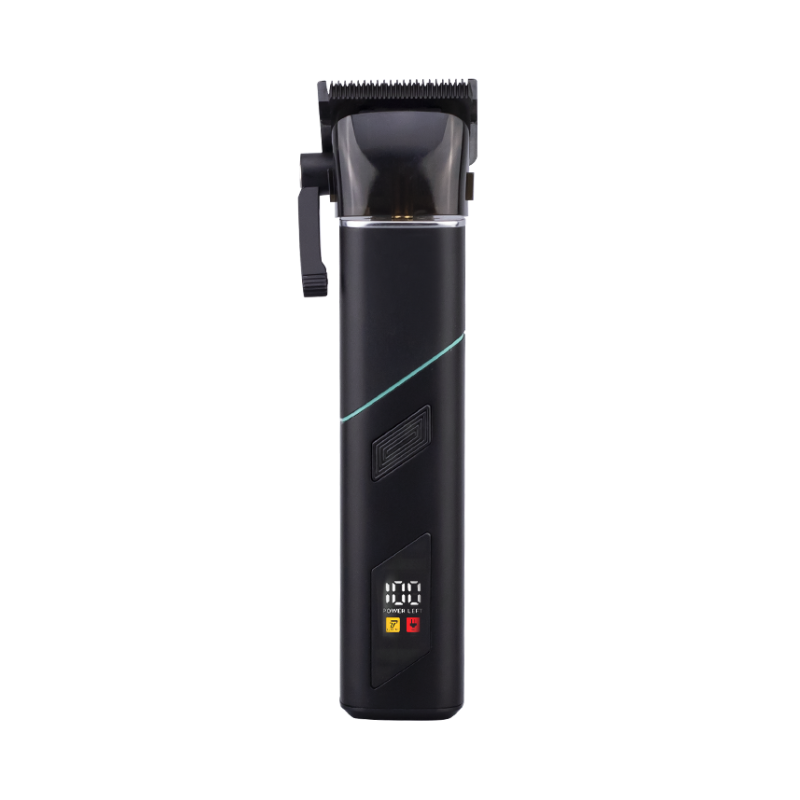
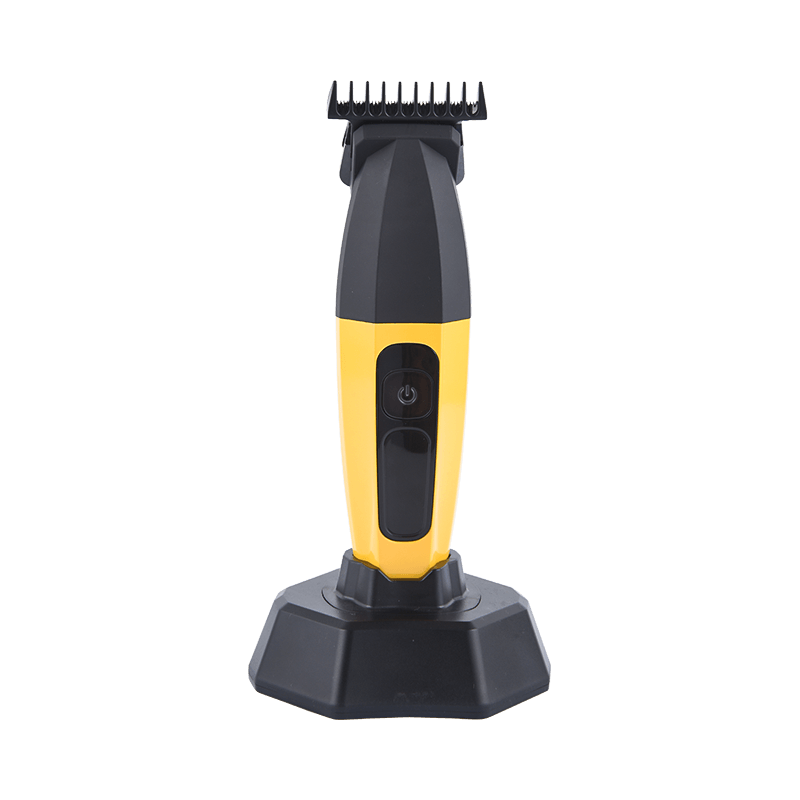
The right tool makes learning easier. When choosing Professional Hair Clippers, look at motor power, blade material, battery or cord options, and guard range. A strong, steady motor helps the blade glide through thick hair without stalling, while a sharp, well-finished blade reduces pulling.
Features worth checking
- Blade quality: sharp, durable blades give cleaner lines and stay effective for longer
- Adjustable lever: allows fine length changes for smoother blending and fades
- Guard variety: a full set of sizes covers buzz cuts, tapers, and longer tops
- Comfortable grip: a balanced body reduces hand fatigue during longer cuts
- Power option: cordless freedom or corded consistency, depending on how you work
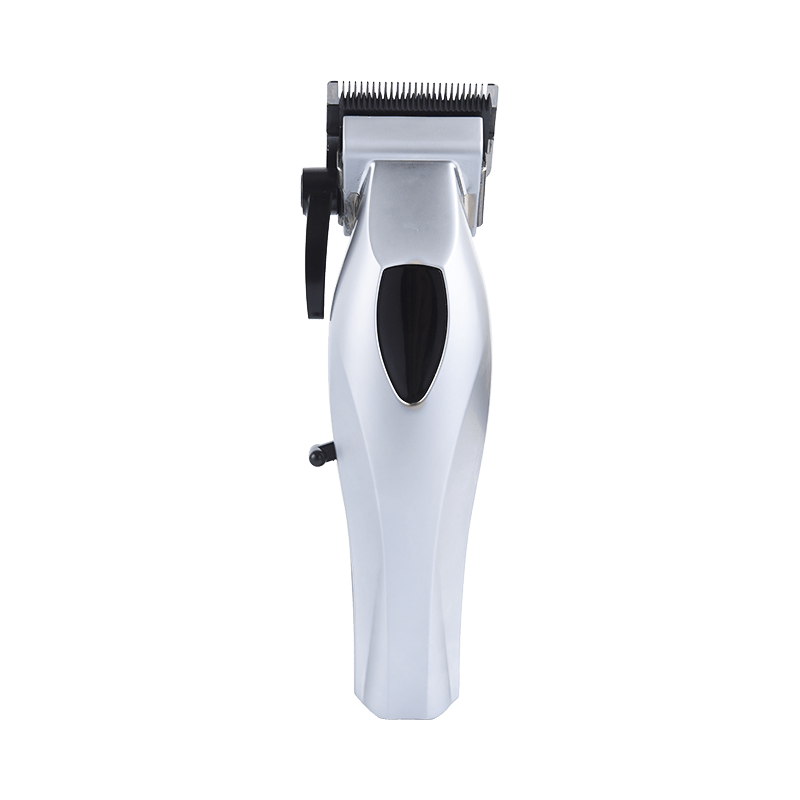
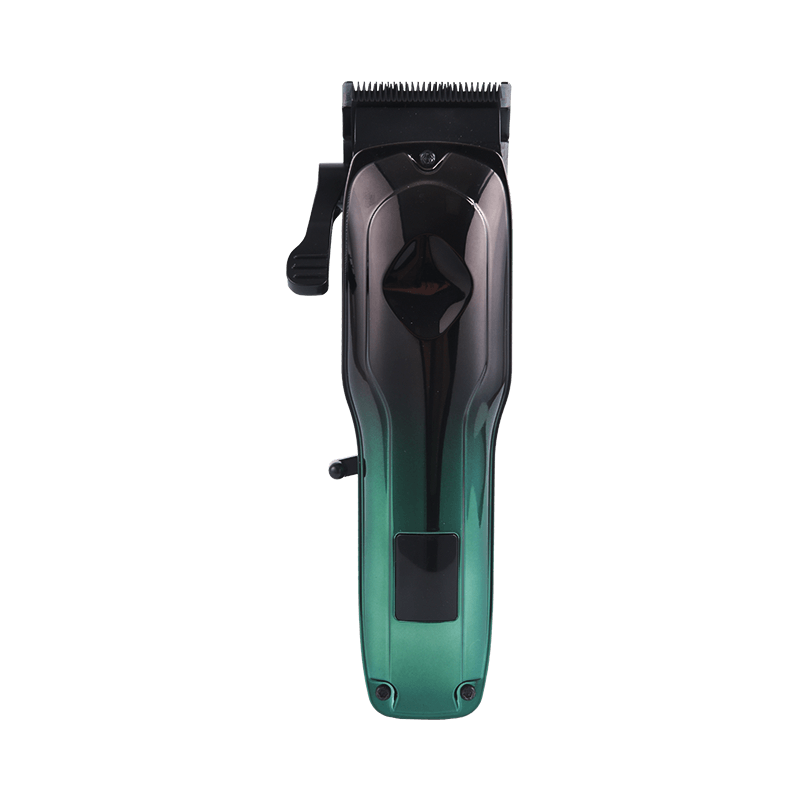
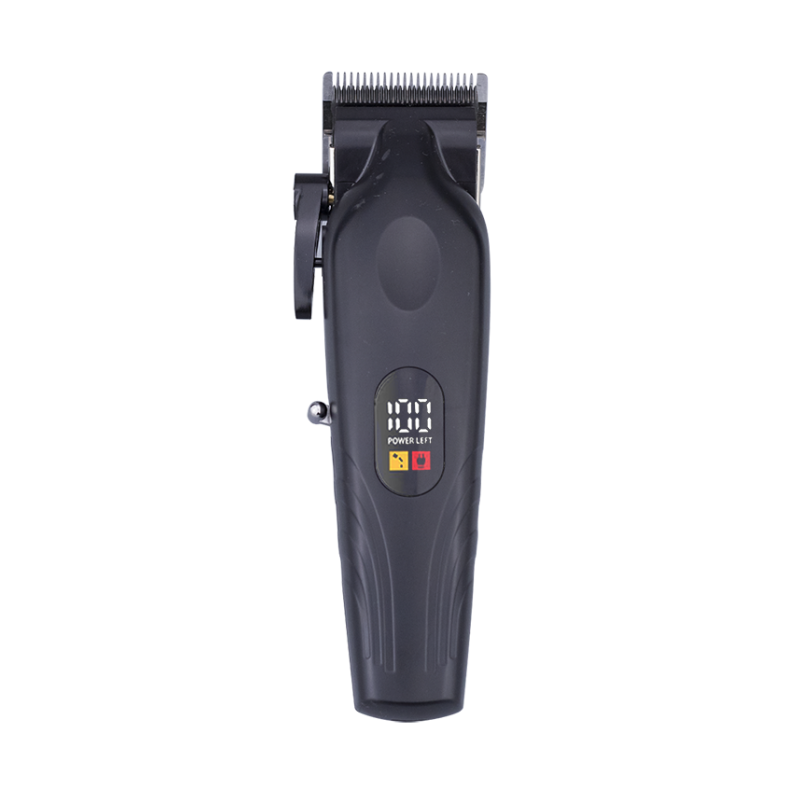
The Professional Hair Clippers from Jiaweidi are designed for both home users and barbers who want precise control and reliable performance. You can view full specifications on the product page at jiaweidi.com.
Frequently Asked Questions About Cutting Hair with Clippers
Should I cut hair with clippers wet or dry?
Dry is better. Dry hair shows its true length and falls evenly, which makes guard-based cutting more predictable.
Can I use clippers on long hair?
Yes, but trim the length with scissors first. Using clippers directly on very long hair can pull and jam the blade. After reducing the bulk, use a longer guard to even things out.
Which direction should I move the clippers?
For most guard cuts, move against the direction of growth, which is usually upward from the neck and sides. Use with-the-grain passes for lighter, safer first cuts or when hair is very thick.
How do I fix a patch that is too short?
Do not try to even it with the same guard. Instead, cut the surrounding hair down to match using progressively shorter guards, or blend the area into a fade so the short spot becomes part of the style.
Final Tips for a Clean Finish
After the main cut, check the result from every angle. Run your fingers through the hair to feel for longer strands, and use small scissors to remove them. Brush loose hair from the neck, rinse the hair, and look again once it is dry, since small errors often show up after rinsing.
With the right preparation, patient guard changes, and dependable Professional Hair Clippers, a clean and professional-looking haircut at home is very achievable. Keep practicing, and each cut will look better than the last.
Source note: hair growth rate figure is from the American Academy of Dermatology Association (aad.org). Guard conversions follow the common US guard numbering convention of eighths of an inch. Cut intervals and technique tips are general barbering practice and should be adjusted to individual hair type.
- ADD: Room 301, Building 5, Xiaocao'e (Hangzhou Bay) Electromechanical Industrial Park, Yuyao City
- Tel:+86 13805803689 / +86 13805803356
- Email: 269354157@qq.com
Copyright Ningbo Jiaweidi Electric Appliance Co., Ltd. All Rights Reserved.
OEM/ODM personal electric hair push manufacturer
Custom Electric Push Shear Carving Push Factory
