 English
 Español
 عربى
 Deutsch


What Are the Benefits of Whitening Hair Clippers?
 2026.10.10
 Industry News
Content
- 1 What Are Whitening Hair Clippers
- 2 Benefit One: A Much Closer Cut
- 3 Benefit Two: Sharper Fades and Stronger Contrast
- 4 Benefit Three: Clean Edges and Precise Outlines
- 5 Benefit Four: Time Savings and Fewer Tools
- 6 How Whitening Hair Clippers Compare with Standard Clippers
- 7 How to Use Whitening Hair Clippers Safely
- 8 Maintenance Tips for Lasting Performance
- 9 Who Benefits Most from Whitening Hair Clippers
- 10 How Often to Refresh a Close Cut
- 11 Choosing the Right Whitening Hair Clippers
- 12 Frequently Asked Questions About Whitening Hair Clippers
- 13 Final Thoughts
The main benefit of whitening hair clippers is that they cut hair extremely close to the scalp, leaving a clean, light skin-level finish that makes fades, bald looks, and sharp outlines stand out clearly. In barbering, this style of cutting is often called a whitening effect, because the shaved area shows the lighter color of the skin instead of dark stubble.
Besides the close finish, Whitening Hair Clippers help barbers and home users create crisp contrast between short and longer hair, shorten the time spent on detailing, and reduce the need for extra tools. This article explains each benefit, how the clipper achieves it, and how to use it safely.
What Are Whitening Hair Clippers
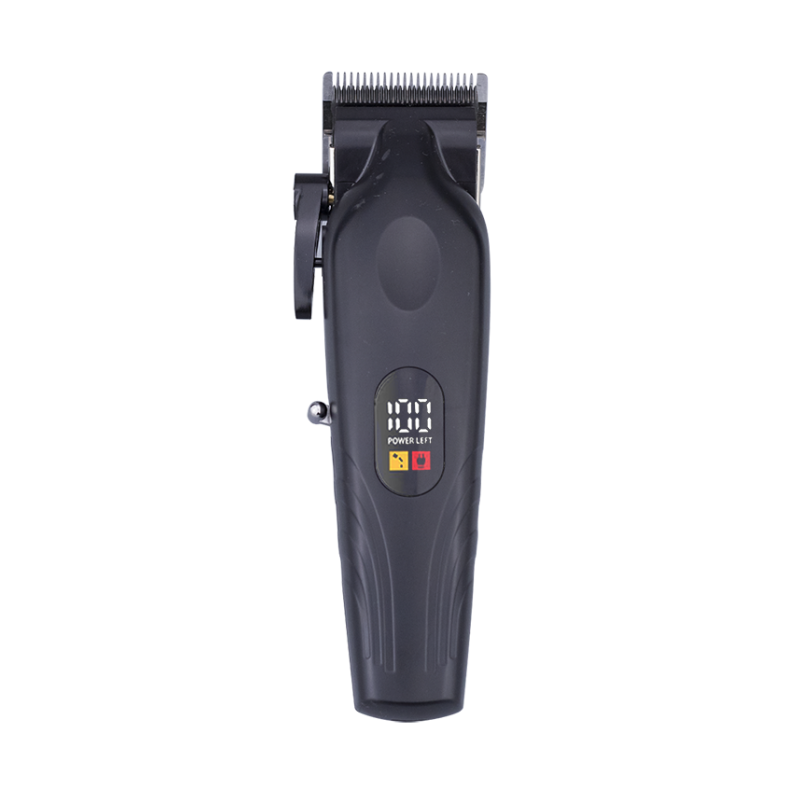
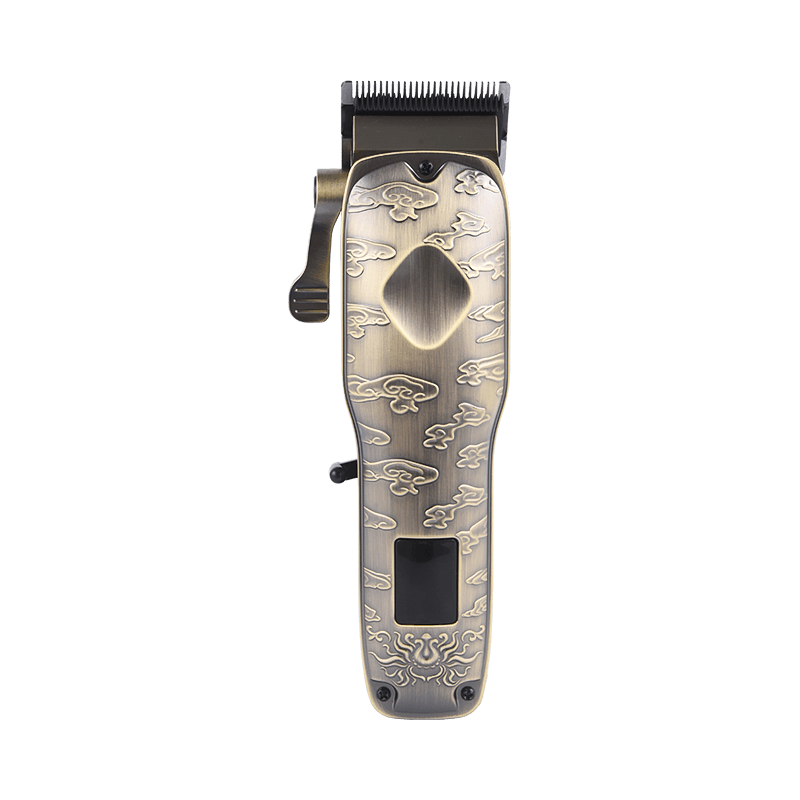
Whitening hair clippers are close-cutting clippers made for taking hair down to the skin surface. They usually have a fine, sharp blade with tightly set teeth, so very little hair is left behind. Barbers use them for bald fades, skin fades, shaved patterns, and clean finishing lines.
They are different from standard clippers that rely on guards to set a minimum length. Because they are made to work at skin level, precision and blade quality matter more than with a general-purpose clipper. Always check the product page and the manual for the exact way your model is intended to be used.
Why it is called whitening
The term describes the look, not a chemical process. When hair is cut very close, the scalp reveals its natural skin tone, which looks lighter against darker hair around it. That contrast is what gives the cut a clean, bright, and sharp appearance.
Benefit One: A Much Closer Cut
The biggest advantage is closeness. A fine, tightly aligned blade lets the clipper cut hair almost flush with the skin in a single pass. This makes it useful for bald looks and for the lowest part of a skin fade, where a guard would leave visible stubble.
A close cut also looks tidier for longer periods than a rough cut. Because the starting point is skin level, new growth is more obvious as it appears, so many people see exactly when it is time for a touch-up and keep their style looking intentional.
Benefit Two: Sharper Fades and Stronger Contrast
A fade works because of the contrast between very short and longer hair. When the lowest section is cut down to skin level, the gradient looks smoother and more dramatic. A clean skin-level base is the foundation of a skin fade or bald fade, and a close-cutting clipper makes that base much easier to create.
- Skin fades: start the lowest section at skin level and blend upward with guards
- Bald fades: take the lower sides and back to skin level, then blend into the upper hair
- Shadow fades: use the close cut to create a soft, shaded start to the gradient
- Hair designs: carve lines and patterns that show clearly against the skin
Benefit Three: Clean Edges and Precise Outlines
Sharp lines are what make a haircut look professional. A whitening clipper can trace the hairline at the forehead, temples, and neckline, and it can clean the edges around the ears and sideburns. Since the blade cuts so close, the outline appears crisp rather than fuzzy.
Great for beards and facial hair
The same close-cutting ability helps shape a beard. Use it to define the cheek line and neckline, or to clean the area just under the jaw. This gives a neat, defined beard shape without switching to a separate razor for every touch.
Helpful for finishing work
After the main haircut is done with a standard clipper, a close-cutting tool can remove stray hairs that guards leave behind. This final step often makes the difference between a good cut and a polished one.
Benefit Four: Time Savings and Fewer Tools
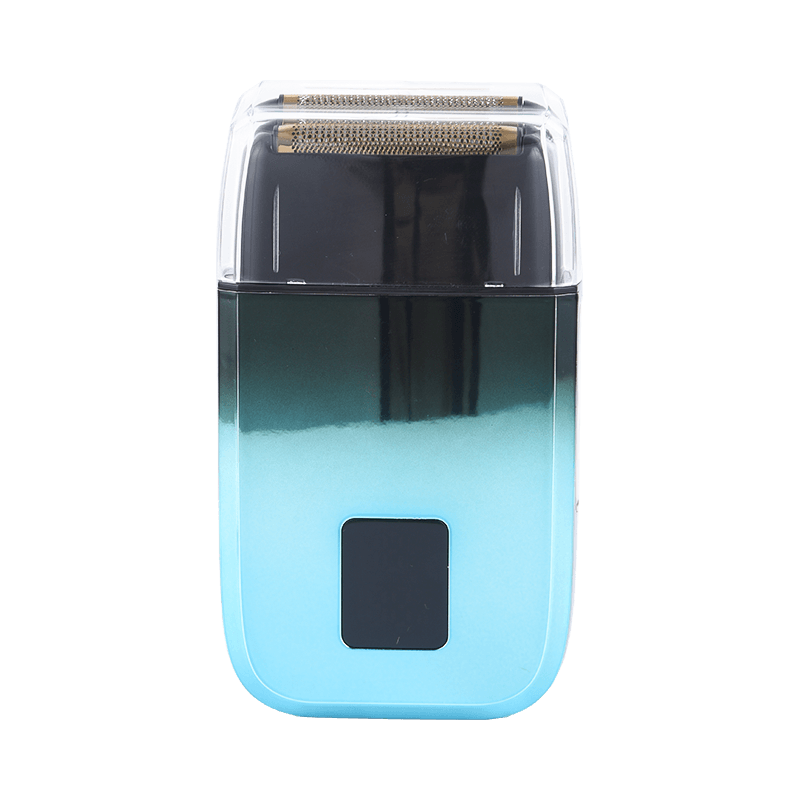
When one clipper can handle skin-level cutting, outlining, and edge cleanup, you spend less time swapping tools. For barbers, this means smoother workflow and shorter service times. For home users, it means a neater result without needing a separate trimmer and razor.
A close-cutting clipper can also reduce the number of passes needed on short hair. When the blade is sharp and properly aligned, each stroke removes more hair cleanly, so you work faster and with less repetition on the same area.
How Whitening Hair Clippers Compare with Standard Clippers
The table below shows how a close-cutting clipper differs from a standard clipper with guards. The comparison reflects general barbering practice and the typical design of each tool, not test data from one product.
| Feature | Whitening Hair Clippers | Standard Clippers |
| Cutting length | Skin level or very close | Set by the guard, usually 1/8 inch (3 mm) or longer |
| Best use | Skin fades, bald looks, edging, outlines | Overall haircuts and general shaping |
| Detail work | Excellent for crisp, sharp lines | Limited without extra tools |
| Skin care needed | Higher, because the cut is very close | Lower, because guards keep distance |
| Skill needed | Moderate, needs steady hands | Beginner friendly |
For the guard length reference, the common US guard numbering convention equals that number of eighths of an inch, so a number 1 guard leaves hair at about 1/8 inch (3 mm). Exact lengths can vary slightly between products.
How to Use Whitening Hair Clippers Safely
Because the cut is so close to the skin, technique and preparation matter. Follow these simple steps to protect your skin and get an even result.
- Wash and completely dry the hair and skin, then comb the hair so it lies in its natural direction.
- Cut the main shape first with a standard clipper and guard, and leave the close cutting for the final stage.
- Check the blade is clean, lightly oiled, and correctly fitted before switching on.
- Hold the clipper with a light grip and keep the blade flat against the skin, using gentle pressure only.
- Stretch the skin gently with your free hand around curved areas such as the ears and neckline.
- Move in slow, short strokes and overlap each pass slightly so no streaks are left behind.
- Blend the close-cut area into the longer hair with a guard, flicking out at the end of each stroke.
- Finish by brushing away loose hair, rinsing, and applying a gentle moisturizer to soothe the skin.
Protect sensitive skin
Press lightly and avoid going over the same spot many times, since repeated passes can cause redness. If the skin is irritated, wait for it to calm down before cutting again. Anyone with a skin condition should check with a doctor before frequent close cutting.
Maintenance Tips for Lasting Performance
Close-cutting work depends on a sharp, clean blade. A dull or dirty blade pulls hair and irritates skin, so regular care is essential.
- Brush hair out of the blade and teeth after every session
- Apply a few drops of clipper oil to the blade as recommended in your manual
- Wipe and disinfect the blade if the tool is used on more than one person
- Charge the battery fully before important sessions to keep motor speed steady
- Store the clipper dry with the blade cover on, away from moisture and impact
Follow the exact care steps for your model, since intervals and recommended products can differ.
Who Benefits Most from Whitening Hair Clippers
This type of clipper is useful for several groups of people, each with a different need.
| User | Main Benefit |
| Barbers and stylists | Sharper fades, faster finishing, and a more polished result for clients |
| Home users | Barber-style edges and neat lines without regular salon visits |
| People who wear bald or very short styles | An easy, even close cut that is simple to maintain |
| Beard wearers | Clean cheek lines, neck lines, and defined beard edges |
How Often to Refresh a Close Cut
According to the American Academy of Dermatology Association, scalp hair typically grows about 1/2 inch (about 1.25 cm) per month. Since a close cut starts at skin level, growth becomes visible within days. Many people refresh edges and bald areas every 1 to 2 weeks, and a full fade every 2 to 4 weeks. This is a practical guideline based on that growth rate, and it should be adjusted for your own hair and style.
Choosing the Right Whitening Hair Clippers
When choosing a close-cutting clipper, look at the features that affect precision, comfort, and skin safety. Good Whitening Hair Clippers should feel balanced in the hand, cut cleanly on the first pass, and keep a steady speed through the cut.
Features worth checking
- Blade sharpness and finish: a fine, smooth blade gives a cleaner cut and less pulling
- Blade alignment: tight, even alignment helps achieve a close, consistent result
- Motor stability: steady speed with low vibration helps keep lines straight
- Comfortable grip: a light, balanced body reduces hand fatigue in long sessions
- Power option: cordless freedom or corded consistency, depending on how you work
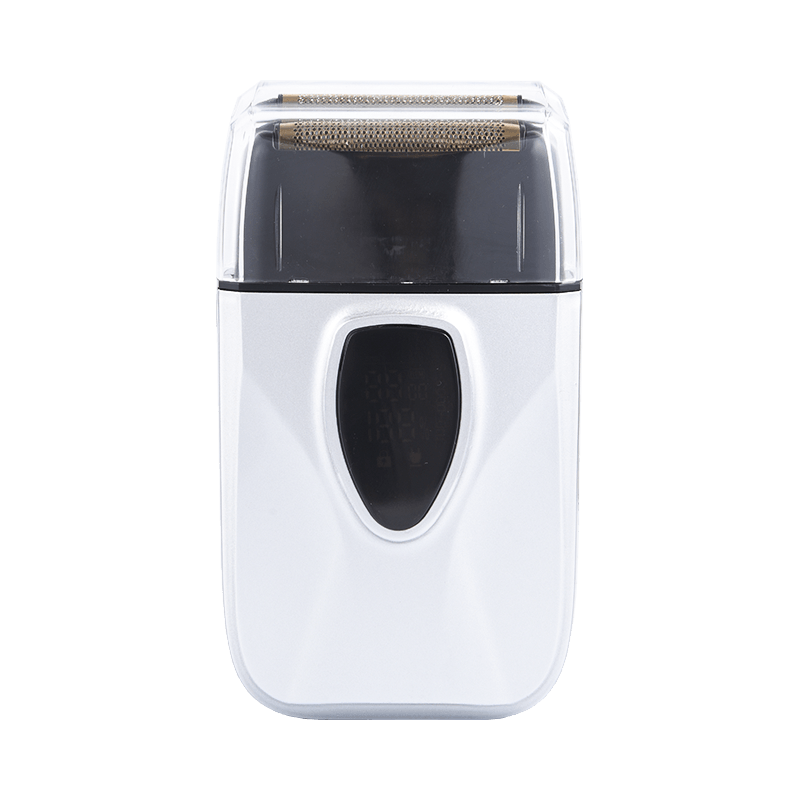
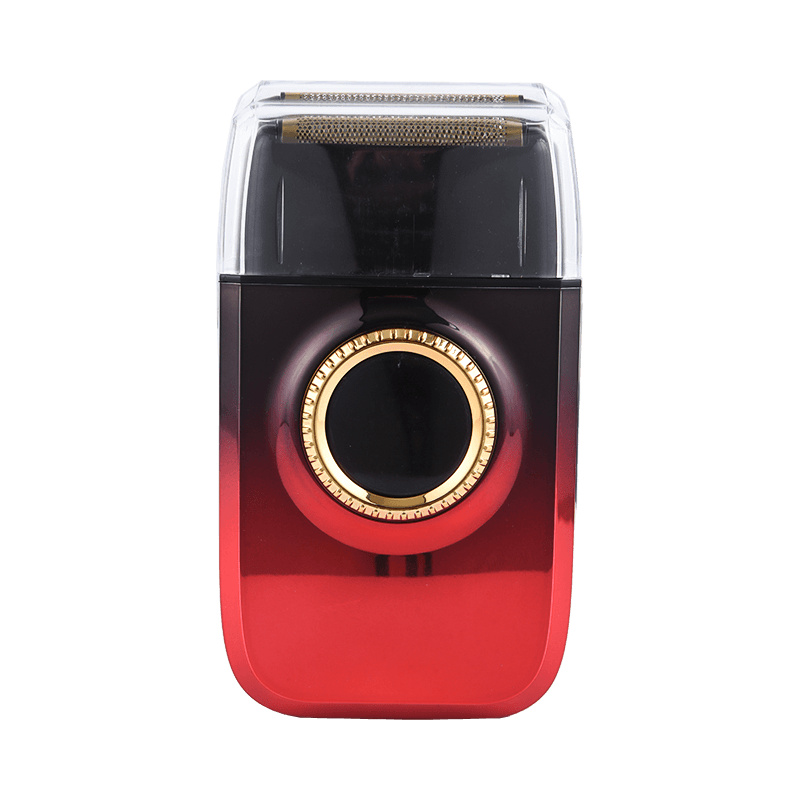
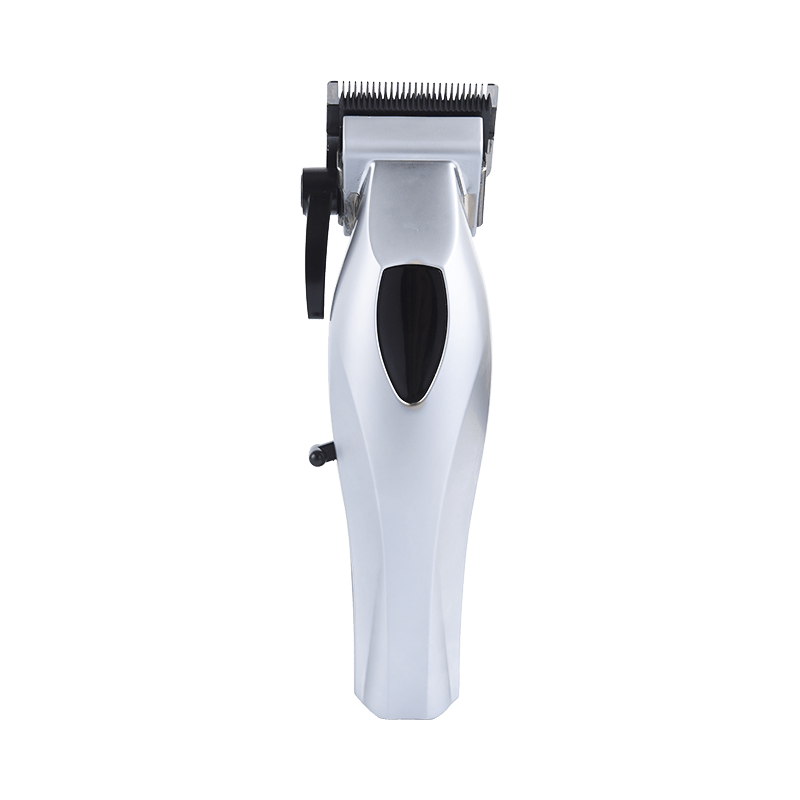
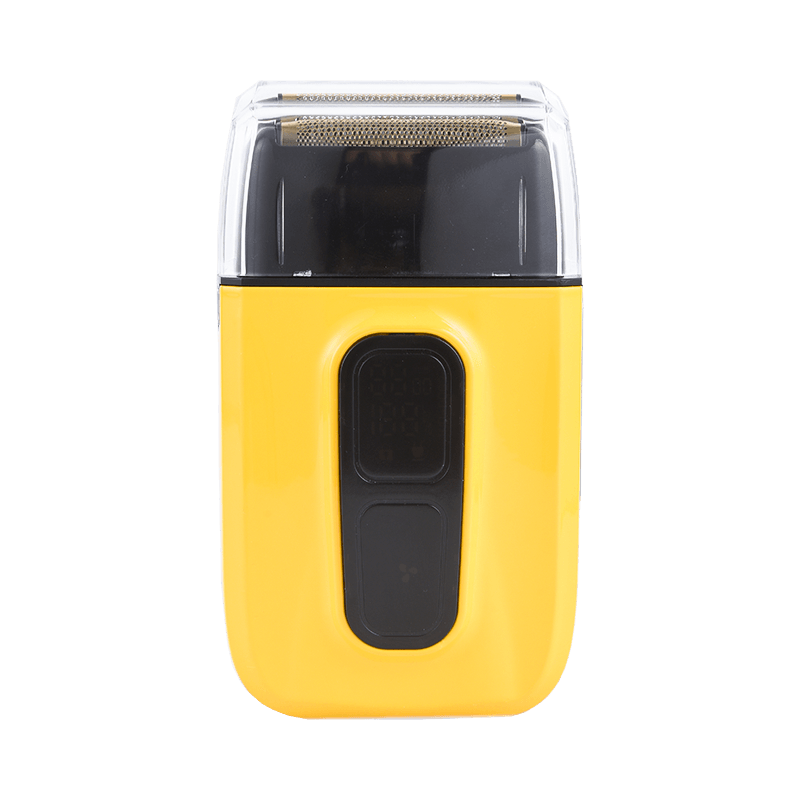
The Whitening Hair Clippers from Jiaweidi are made for users who want a close finish, crisp contrast, and clean lines. You can see full details and specifications on the product page at jiaweidi.com.
Frequently Asked Questions About Whitening Hair Clippers
Are whitening hair clippers safe for skin?
They are safe when used correctly with light pressure, a clean blade, and slow strokes. Because the cut is very close, avoid pressing hard or repeating passes on the same spot.
Do I still need guards?
Yes, guards are still useful for blending the close-cut area into longer hair. Use the close cut for the base and guards for the gradient above it.
Can beginners use them?
Yes, with care. Start with simple edges, work slowly, and use a mirror to check both sides. Practice on small areas before attempting a full fade.
Can they be used on a bald head?
Many people use close-cutting clippers to maintain a bald or very short look. Work on dry hair, use gentle pressure, and moisturize the scalp afterward to keep it comfortable.
Final Thoughts
Whitening hair clippers offer a close, clean finish that makes fades sharper, outlines crisper, and finishing work faster. By understanding how they differ from standard clippers, using safe technique, and keeping the blade clean and sharp, you can enjoy salon-quality results at home or in the barbershop. With reliable Whitening Hair Clippers, a neat and professional look is easy to maintain.
Source note: the hair growth rate figure is from the American Academy of Dermatology Association (aad.org). Guard conversions follow the common US guard numbering convention of eighths of an inch. Comparisons and technique tips reflect general barbering practice and should be adjusted to individual hair and skin type.
- ADD: Room 301, Building 5, Xiaocao'e (Hangzhou Bay) Electromechanical Industrial Park, Yuyao City
- Tel:+86 13805803689 / +86 13805803356
- Email: 269354157@qq.com
Copyright Ningbo Jiaweidi Electric Appliance Co., Ltd. All Rights Reserved.
OEM/ODM personal electric hair push manufacturer
Custom Electric Push Shear Carving Push Factory
