 English
 Español
 عربى
 Deutsch


Bald Fade Clippers: Choosing the Best Tool for Smooth, Reliable Blends
 2026.10.15
 Industry News
Content
At a busy barbershop, a client asks for a bald fade. The barber reaches for a clipper, sets it to zero gap, and starts at the nape. Halfway up the side, the blade stalls, leaving a visible line that no amount of blending can hide. The client notices. The barber loses time. This is not a technique problem alone. It is a tool problem. A bald fade demands a clipper that can cut close to the skin, maintain speed under load, and keep the blade cool enough for repeated passes. If any of those conditions fail, the fade will look patchy, and the client will feel the drag.
The short answer: for bald fades, choose a professional clipper with a high-speed motor, a sharp blade that can be zero-gapped, and a blade material that resists heat and wear. The rest of this article explains why those features matter, how to check them before buying, and how to match the right clipper to your shop or home use.
What Makes a Clipper Suitable for Bald Fades
A bald fade, also called a skin fade, removes hair to the skin at the bottom and gradually blends it into longer hair on top. The transition must be seamless, with no hard lines. That means the clipper has to do two difficult things at once: cut extremely close without nicking the scalp, and glide through hair densities from very short to medium length without bogging down.
Three factors decide whether a clipper can handle that job. First, the blade must be able to sit at zero gap or very close to it. If the cutting blade and guide blade do not align tightly, the clipper will leave a line instead of a fade. Second, the motor must maintain torque when the blade meets thicker hair. A motor that slows down will pull hair instead of cutting it, which causes discomfort and uneven results. Third, the blade material and coating affect heat buildup, corrosion resistance, and how long the edge stays sharp.
Blade material is often the most visible difference between budget and professional clippers. The table below compares common options.
| Blade material | Edge retention | Heat resistance | Corrosion resistance | Typical use |
|---|---|---|---|---|
| 3Cr13 stainless steel | Moderate | Moderate | Good | Home clippers, light professional use |
| 420J2 stainless steel | Moderate to good | Moderate | Good | Electric shavers, detailing |
| Black titanium coating | High | High | Excellent | Professional barber clippers |
| Ceramic | High | Very high | Excellent | High-speed clippers, sensitive skin |
| Ceramic with black titanium | Very high | Very high | Excellent | Precision fading and carving |
Source: manufacturer product specifications and common industry classifications for hair clipper blades.
Key Specs to Check Before Buying
When you compare bald fade clippers, do not rely on marketing terms like "professional" or "heavy duty." Look at measurable specifications and physical details. According to published specifications from professional clipper manufacturers, a no-load speed of 6,000 to 8,000 RPM is common. The following checklist covers the points that affect fade quality, comfort, and long-term cost.
- Motor speed: Higher speed helps the blade cut through hair without pulling, but it also generates more heat. Look for a motor that maintains speed under load, not just a peak number.
- Blade adjustment: A zero-gap or near-zero-gap setting is essential for skin fades. Some clippers use a taper lever, while others require a screw adjustment. Check that the lever stays in place during use and does not drift.
- Blade material and coating: Black titanium, ceramic, and ceramic-black titanium blades resist heat and wear better than plain stainless steel. They also tend to stay cooler against the skin, which matters during long barbering sessions.
- Power source: Corded clippers deliver consistent power, while cordless models offer freedom. For high-volume shops, a cordless clipper with a fast-charge battery and a corded backup is a practical combination.
- Heat management: After several minutes of continuous use, the blade should not become uncomfortable to touch. Poor heat dissipation can force the barber to pause and can irritate the client's scalp.
- Weight and balance: A clipper that is too heavy or front-heavy increases hand fatigue. For detailed fade work, a balanced body and a narrow blade allow better control around the ears and neckline.
- Noise and vibration: Lower vibration improves precision. Excessive noise can also unsettle clients, especially during a close fade.
According to a step-by-step guide to cutting hair with clippers, preparation and blade alignment matter as much as the tool itself. The guide recommends checking the blade for alignment and testing it on a small area before starting a full fade. That advice applies directly to bald fades, where one misaligned blade can create a visible line.
How to Set Up and Use Clippers for Bald Fades
Even the best clipper will not produce a clean bald fade if it is set up poorly. The process below reflects common barbering practice and highlights where tool quality makes a difference.
- Start with a clean, zero-gapped blade. Remove any hair and debris from the blade. Align the cutting blade so it sits level with or slightly below the guide blade. Tighten the screws or set the taper lever to the zero position. A blade that is not zero-gapped will leave a line at the skin.
- Map the fade before you cut. Decide where the skin line ends and where the blend begins. Use the clipper without a guard to establish the baseline. Keep the blade flat against the skin and use short, overlapping strokes.
- Work upward in sections. Move from the nape or sideburn upward, gradually opening the taper lever or changing guards. Do not press the clipper into the scalp. Let the blade do the work.
- Use a carving clipper for outlines and details. A dedicated carving clipper, also called a detailer or trimmer, has a narrower blade and a tighter cutting angle. It is better for creating sharp lines around the ears, neckline, and beard. For balding fades, the carving clipper helps define the transition zone without removing too much hair.
- Blend with the main clipper. After the outline is set, return to the main clipper and use the taper lever to merge the skin area into the longer hair. Check the fade under good lighting and from different angles.
- Finish with a foil shaver or razor if needed. For a true bald fade, some barbers finish the lowest section with a foil shaver or razor. This step is optional and depends on the client's preference and skin sensitivity.
In a shop that performs many skin fades, a high-speed clipper with a black titanium or ceramic blade can reduce the number of passes required. Fewer passes mean less irritation and faster service. A cordless model with a reliable battery also helps barbers move around the chair without dragging a cord.
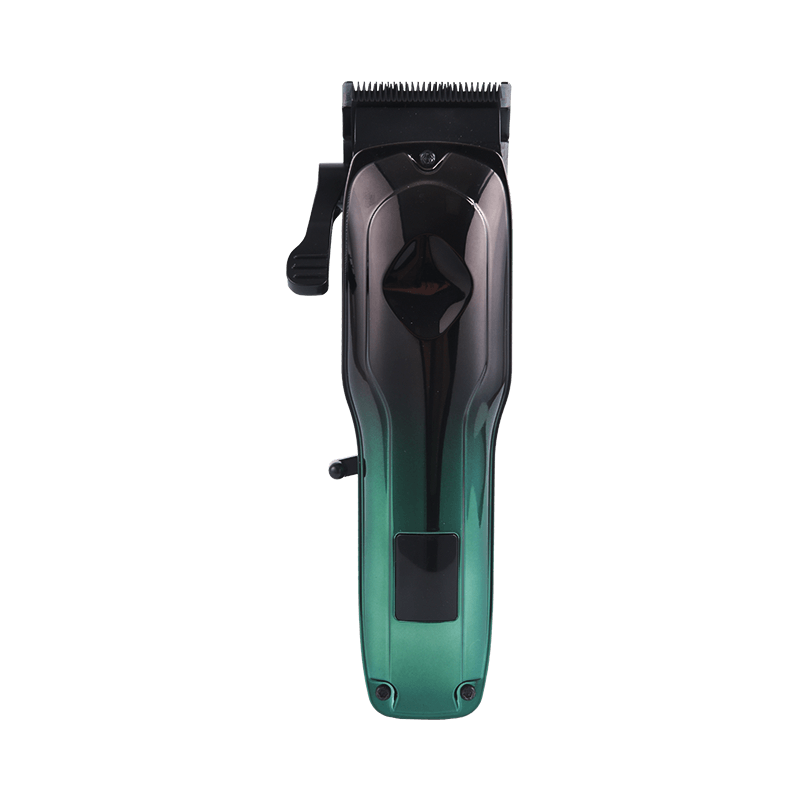
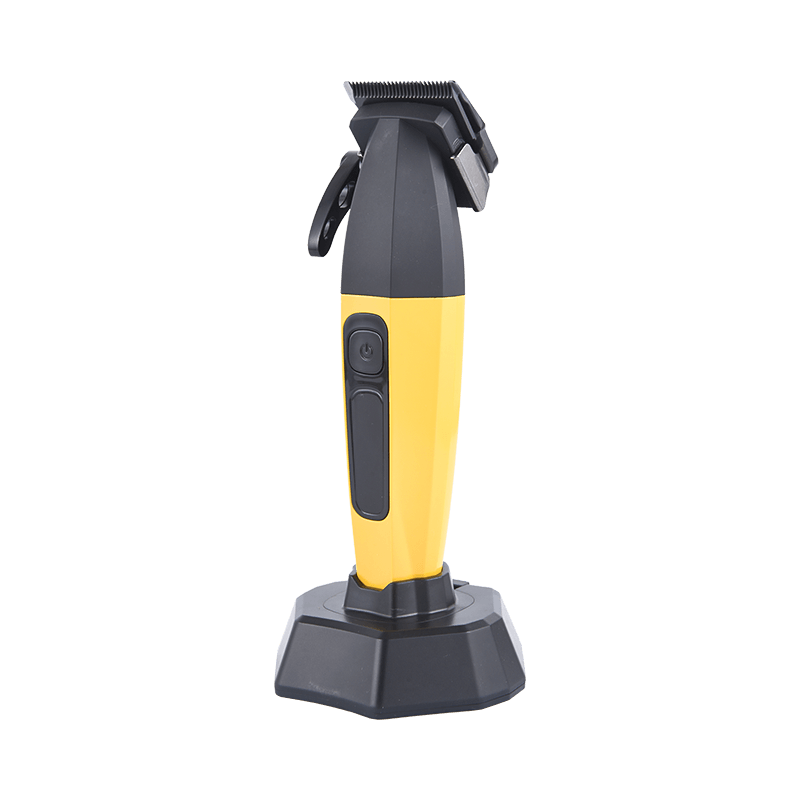 8000 RPM Professional Hair Clipper with Ceramic Black Titanium BladeFor high-volume fade work, its 8000 rpm motor, ceramic black titanium blade, and 2500mAh battery support fewer passes and cordless chair-side use.View Product →
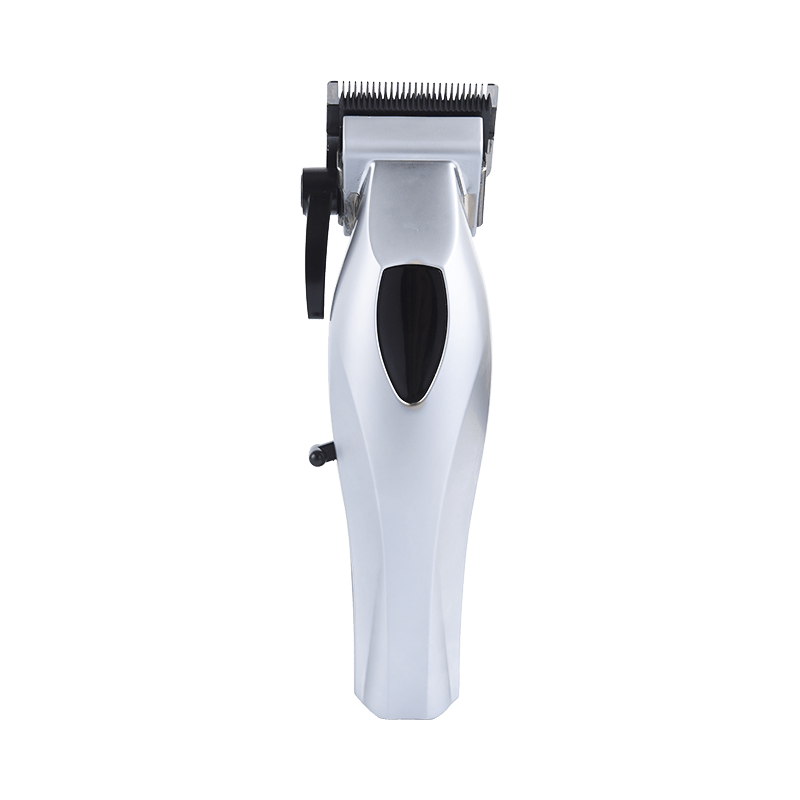
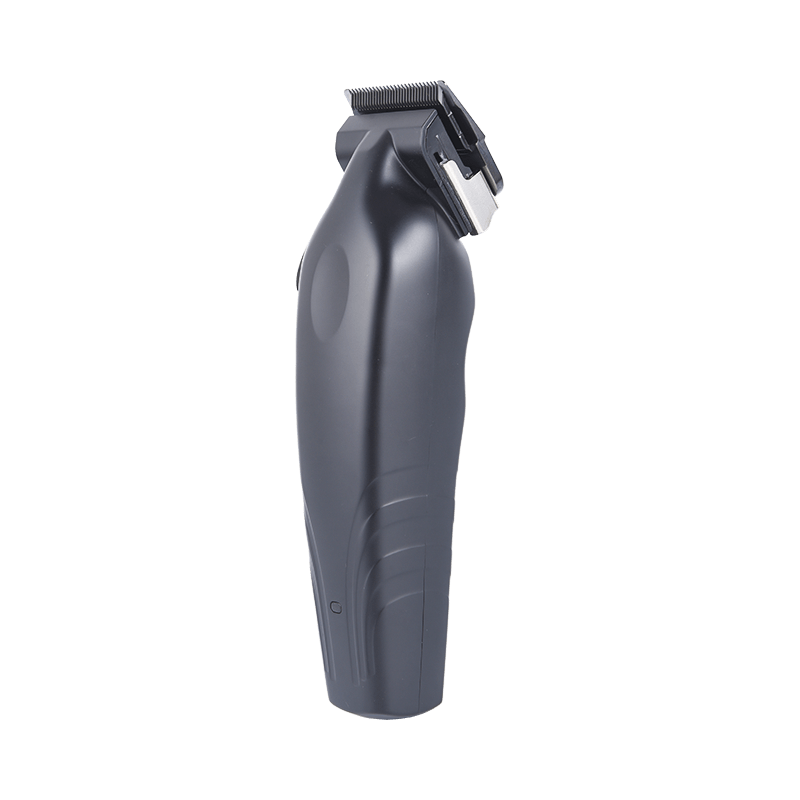 Black Titanium Blade Professional Electric Hair Clipper with 7000 RPM MotorA cordless option for bald fades and gradient cuts, combining a 7000 rpm motor, black titanium-coated blades, and USB Type-C charging.View Product →
These two clippers illustrate the combination that works well for bald fades: high motor speed for efficient cutting, and a black titanium blade for durability and heat resistance. The exact model matters less than the underlying specifications. Check the RPM, blade coating, and zero-gap capability before you buy.
Matching Clippers to Barber Shop and Home Use
The right bald fade clipper depends on how often it will be used and by whom. A barber who performs ten skin fades a day has different requirements from a parent cutting a child's hair once a month.
For barbershops and professional barbers
Professional use puts stress on every component. The motor runs for hours, the blade cuts through different hair types, and the clipper is expected to survive drops, cleaning, and repeated sanitizing. Look for a clipper with a metal blade, a robust taper lever, and a motor that does not overheat during continuous use. Cordless models should have a battery that lasts at least two to three hours or a quick-charge feature. A carving clipper is also essential for cleaning up outlines and creating sharp part lines.
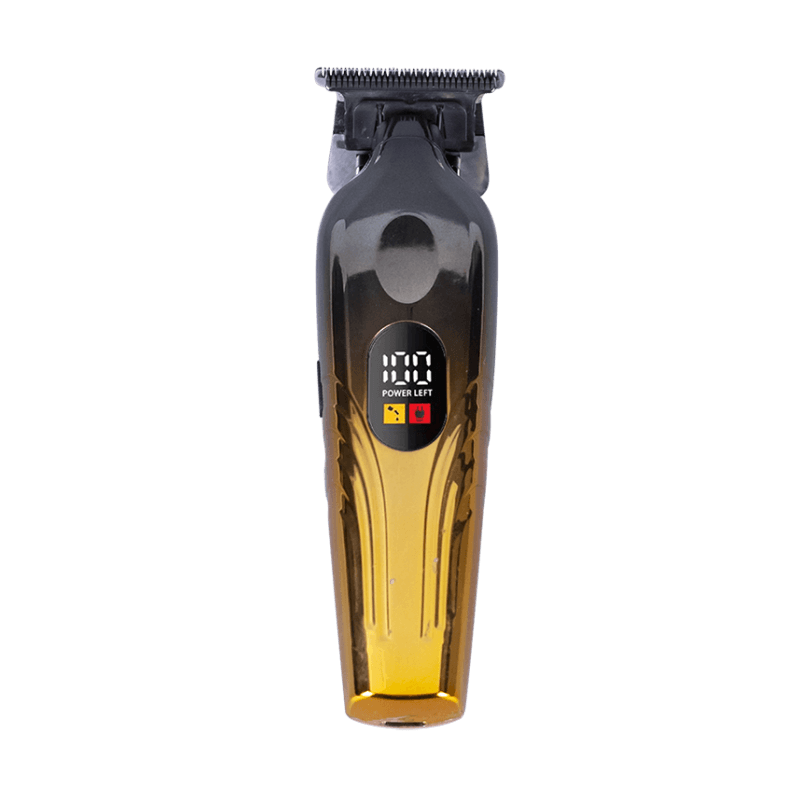 LED Multi-Functional Carving Hair Clipper for Barbershop Detail WorkFor outline cleanup and fine engraving, this ceramic-headed carving clipper offers a 6800 rpm motor, LED display, and 180-minute battery life.View Product →
Our manufacturing facility focuses on professional hair clippers and carving clippers, with automated injection molding, assembly, and packaging lines. For wholesalers and distributors, this means consistent blade alignment and repeatable quality across batches. The company's stated principles emphasize quality and service, which are practical concerns when you are sourcing clippers for a shop or a retail chain.
If you want to see how clipper technique and tool choice work together, the guide on cutting hair with clippers covers the basics. For a deeper look at production standards, you can visit our factory page.
Common Buying Risks and Quality Checks
Bald fade clippers are often sold with impressive numbers that do not hold up in real use. A motor rated at 8,000 RPM may slow significantly when it meets thick hair. A blade advertised as ceramic may be a thin coating over steel. A taper lever may feel tight in the box but drift after a few weeks. These are the risks that matter most to barbers and wholesalers.
- Overstated motor power: Peak RPM is not the same as sustained torque. Ask for a load test or read reviews from professional users. A clipper that maintains speed under load will feel different from one that merely spins fast in the air.
- Blade misalignment: Even a small gap between the cutting blade and guide blade can cause lines. Before a large purchase, test a sample unit by zero-gapping it and running it over a sheet of paper. The cut should be clean and even.
- Heat buildup: Run the clipper for ten minutes and check the blade temperature. If it becomes uncomfortable to hold against the skin, it will be uncomfortable for clients during long fades.
- Battery degradation: Cordless clippers lose capacity over time. Look for models with replaceable batteries or a reputable battery management system. A battery that fades after a few months is a costly replacement.
- Inconsistent blade coating: Coating thickness affects corrosion resistance and cutting feel. Uneven coating can cause the blade to snag or wear out faster on one side.
- Poor after-sales support: For wholesalers, the ability to get replacement blades, levers, and batteries is as important as the initial price. A low unit cost means little if the clipper cannot be serviced.
To reduce these risks, request a sample before committing to a large order. Check the fit and finish, listen to the motor, and test the blade on different hair types. A small upfront investment in sampling can prevent a much larger loss from returns and unhappy customers.
A bald fade is a test of both skill and equipment. The clipper must cut close, stay sharp, and hold speed without overheating. For barbers, that means a professional clipper with a high-speed motor and a durable blade, plus a dedicated carving clipper for outlines. For wholesalers and distributors, it means sourcing from a manufacturer that controls blade alignment and understands the difference between peak RPM and sustained torque. When those pieces come together, the fade looks clean, the client leaves satisfied, and the tool earns its place in the shop.
- ADD: Room 301, Building 5, Xiaocao'e (Hangzhou Bay) Electromechanical Industrial Park, Yuyao City
- Tel:+86 13805803689 / +86 13805803356
- Email: 269354157@qq.com
Copyright Ningbo Jiaweidi Electric Appliance Co., Ltd. All Rights Reserved.
OEM/ODM personal electric hair push manufacturer
Custom Electric Push Shear Carving Push Factory
